

Gently Cooked: Low
Raw: None
Freeze-Dried: Low (but dehydrated)
Gently Cooked: High
Raw: Very High
Freeze-Dried: Moderate to High
Gently Cooked: Excellent
Raw: High (if properly balanced)
Freeze-Dried: High
Gently Cooked: Easy to serve, requires refrigeration/freezing
Raw: Requires strict handling
Freeze-Dried: No refrigeration required, rehydration needed
Gently Cooked: Very High
Raw: High
Freeze-Dried: Very High
In the ever-evolving world of pet nutrition, gently cooked pet food has emerged as a popular choice among pet parents seeking a balance between freshness, safety, and optimal nutrition. With a rise in interest around whole food diets for pets, gently cooked meals offer a middle ground between raw and heavily processed kibble—providing the benefits of minimally processed food while ensuring optimal digestibility.
Gently cooked pet food refers to meals that are prepared using low-temperature cooking methods designed to retain the nutritional value of whole food ingredients while eliminating harmful pathogens. Typically cooked at times and temperatures just high enough to destroy bacteria such as Salmonella and Listeria, these diets maintain the texture, aroma, and nutrient density of fresh ingredients.
The process of making gently cooked pet food involves:
Gently cooked meals offer an easy to handle, convenient alternative to raw food—especially for households with children, elderly individuals, or immunocompromised pets—while retaining much of the whole-food integrity that appeals to those seeking natural feeding methods. Compared to freeze-dried, gently cooked foods don’t require rehydration and often offer better moisture content for hydration support.
Cooking at lower temperatures helps preserve delicate nutrients such as amino acids, omega-3 fatty acids, and certain vitamins that may degrade in high-heat processing. Thermal processing at high temperatures has been shown to reduce concentrations of heat-sensitive nutrients like lysine, thiamin (Vitamin B1), and certain fatty acids (Tran et al., 2008; Coelho, 2012). In contrast, gently cooked methods such as sous-vide or steaming retain more of these nutrients due to the lower cooking temperatures and shorter cooking times (Hall, 2014).
By gently cooking ingredients, pathogenic bacteria are effectively destroyed, making the food easier to handle and feed—an important factor for families concerned about potential foodborne pathogens. Gently cooking to temperatures around 160°F (71°C) is sufficient to inactivate these pathogens while preserving food quality (Newell et al., 2010). Thus, gently cooked food does not require the same level of care in handling and feeding as some other diets, which makes it a good choice for families with children, immunosuppressed family members, or those whose schedules may not favor extended prep times.
The light cooking process makes proteins and starches easier to digest, which is especially beneficial for pets with sensitive stomachs or digestive issues. Mild thermal treatment can improve the digestibility of proteins by denaturing anti-nutritional factors and partially hydrolyzing protein structures (Murray et al., 1997). Studies have shown that dogs fed gently cooked diets had higher apparent digestibility coefficients compared to those fed raw or highly processed diets (Finet et al., 2023).
Some pets may find gently cooked meals more appetizing than other food forms, often leading to better meal engagement and reduced food refusal. Palatability is influenced by factors such as aroma, texture, and moisture content—all of which are typically more appealing in gently cooked foods. A study by Griffin et al. (2012) found that diets with higher moisture and fresh ingredients led to increased intake and preference in dogs and cats.
Gently cooked food serves as an excellent transition option for pets moving from processed diets to fresh foods, or vice versa, due to its moderate processing and familiar texture. Transitioning to raw food can pose challenges for digestive adaptation and microbiome shifts, while gently cooked food provides a more gradual and digestible approach (Sandri et al., 2017). Moreover, the texture and warmth of cooked food resemble “table food,” which often eases the transition for selective eaters or senior pets with declining appetites.
Gently cooked pet food is a compelling option for pet parents who want the best of both worlds: the safety of cooked food with the nutrition and appeal of fresh ingredients. It’s a format that respects the natural biology of pets while meeting modern standards for food safety, convenience, and dietary variety. Whether you’re looking to completely transition your pet’s diet or simply enhance their current meals, gently cooked food can be a rewarding—and delicious—addition to their bowl.
Explore our gently cooked options here.
References
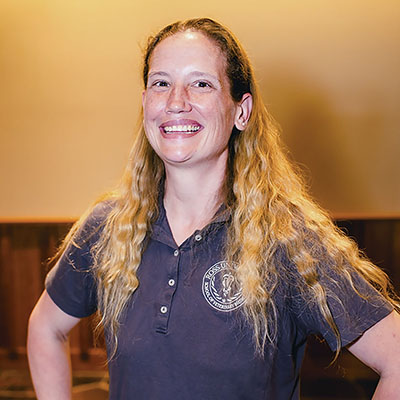
Dr. Katy Miller is the Director of Veterinary Services at BSM Partners. She previously served for 11 years as the Director of Dog and Cat Health and Nutrition for Mud Bay. Dr. Katy is a graduate of Ross University School of Veterinary Medicine, with her clinical year spent at Louisiana State School of Veterinary Medicine. She is a member of the American Veterinary Medical Association, Washington State Veterinary Medical Association, American Academy of Veterinary Nutrition, and the American Holistic Veterinary Medical Association.
It’s never a bad time to chill. 🧘♀️ 🐾
🍨
Swell`s My Chill Time Premium Dog Gelato is made with functional ingredients like chamomile and passion flower tea, which help your pup stay cool, calm, and collected when summer activities makes thier day-to-day a little more stressful. Plus, it includes blackberries, 🥥 coconut milk, ginger, beets, and 🍯 🐝 honey, which are great for digestion and antioxidant support.
🐕
Swell Premium Dog Gelato is not only a tasty treat on a hot summer day, but it also helps keep your pup living their best life and staying CHILL. Shop My Chill Time from Swell in-store or online at Mud Bay this summer. 🌞
#mudbay #swelldoggelato #swell #dogs #chill

Adventure-ready and made for the water, the Ruffwear Float Coat helps keep your dog comfortable during every swim.
🌊 🛶 🐕 ☀️
The Float Coat offers a secure, telescoping neck closure that adjusts to fit a variety of dog sizes, while the lightweight foam panels support natural movement and buoyancy in the water, keeping them comfortable and safe.
🌊 🛶 🐕 ☀️
Plus, it offers a super handy, low-profile handle that makes it easy to lift your pup out of the water, and reflective accents that add extra visibility for long days at the lake, beach, or river.
🐾 🛍️
Bring your pup in-store or shop with us online for the Ruffwear Float coat today!
#mudbay #summer #adventures #ruffwear #doglife
🌞 🎆 🎉 Summer brings celebrations, late nights, travel and events that can leave your pets feeling uneasy.
🐈 🐕
Mud Bay is here to help, offering products that bring calm and comfort to your cat or dog when things get noisy.
🐈 🐕
We carry calming collars, tinctures, treats, and pheromones to help your pets handle everything summer brings—Shop Mud Bay in-store or online to find the right calmatives for your pets.
#mudbay #summer #keepcalm #healthypets #calming
Fluff & Tuff`s #IGIVEAFLUFF is Coming Soon!
🐾
Starting June 8th, National Best Friends Day, our friends at Fluff & Tuff are once again kicking off #IGiveAFluff to help put toys in the paws of shelter and rescue dogs who need them most.
🐾
And we want you to be a part of it, and it couldn`t be easier to participate!
Here`s how it works:
📸 Snap a photo of your dog with their favorite Fluff & Tuff toy.
📱 Share it on social media using #IGiveAFluff.
🐾 Fluff & Tuff donates a toy to a shelter or rescue dog.
🐾
Since 2015, with the support of pet parents like you and the generosity of Fluff & Tuff, over 22,000 toys have been donated to shelters and rescue dogs. Want to participate, but you need a Fluff & Tuff toy? Take a tip from Frank and stop by your local Mud Bay or visit us online. Click the link in our bio to learn more about #IGIVEAFLUFF
Canagan canned cat food is grain-free and made with your cat in mind, using high-quality protein from chicken, salmon, tuna, and more.
😻
It’s inspired by what cats are naturally built to eat, with a focus on animal protein and no artificial flavors, colors, or preservatives.
🐈
It’s also an easy way to add moisture to your cat’s routine—something many cats don’t get enough of—which can help support your feline friend with kidney and urinary-tract health.
🐈
🛍️ Shop Canagan Complete Cat Food in-store or online at Mud Bay.
Summer is coming, so be like Goose 🐕 and stay cool 😎 ❄️ on every outing with the Swamp Cooler Harness from Ruffwear.
🧊
Whether she’s out on a trail or enjoying a long walk or run, this harness is built for warm-weather adventures, offering cooling comfort and secure control in one breathable design.
🌞
Shop in-store or online at Mud Bay.
#mudbay #adventures #pnw #dog #summeriscoming
Mud Bay Memorial Day Hours ⏰
🐈 🐕
Today, Monday, May 25, all Mud Bay locations will be open from 10 am to 6 pm.
🐈 🐕
Delivery orders placed after 2 pm on Sunday will arrive on Tuesday. Store pickup and Instacart will still be available. 🐈 🐕 🚚
#mudbay #holidayhours #healthypets #mudbaydelivery #pets
🐾🌷The Ruffwear Front Range Flex Collection
🐕
Meet Harley, out in the tulip fields and ready for her next outing in the Front Range Flex Harness, Collar, and Leash.
🌷
Whether it’s a walk through the neighborhood or your next PNW adventure, this collection is designed for everyday use and changing conditions:
🐾
Lightweight and built to handle wet conditions
Easy to clean, just hand-wash and air-dry
Made with durable materials for every outing
🌷
Harley picked her look… now it’s your turn.
🐾
The Ruffwear Front Range Flex Collection is now available at Mud Bay. Shop in-store or online today!
#mudbay #ruffwear #adventure #dogwalk #pnwdogs
This cheese-flavored 🧀 💊 pill wrap helps make giving medicine easier for both dogs and cats. 🐕 🐈 Simply tear, wrap, and serve. It’s quick and mess-free.
🐾
The soft texture can be torn to fit any pill, and the cheese flavor makes each dose easier to give. Now with pumpkin, and always free from grain, gluten, and soy.
🐾
Stashio’s is a woman-owned company from Minnesota that creates simple solutions for daily pet care.
🐾
You can find Stashio’s wrap-ups at Mud Bay, both in-store and online.
#mudbay #stashios #wrapup #healthypets #pnwpets
Let your dog relax 💆 and unwind with a Puptail.
🌞
After a walk, run, hike, or just because, this brunch-inspired Puptail is a fun way to help your pup slow down and take it easy. It’s easy to make and flexible, so you can mix and match to make it your own.
🐾
Ingredients
- 3 tbsp Green Juju Golden Blend
- 1 tbsp blueberries
- 1 tbsp banana slices
- 1/2 cup Primal Raw Goat’s Milk Cranberry Blast
- Swell Dog Gelato Banana and Peanut Butter (for topping)
- Wagster Banana and Toasted Coconut Biscuits
- Green Juju Freeze Dried Vitality Blend
- Furvor Concentrated Beef Bone Broth (for ice cubes)
🐾
Optional Extras 🐕 🐶
Blueberry and bone broth ice cubes
Wag and Bright Supply Co. Spirulina and Beef Collagen dog chew
🌞
Directions
1. Add Green Juju Golden Blend as your base
2. Layer in blueberries and banana slices
3. Pour in goat’s milk between layers
4. Repeat layers as desired, then freeze or serve as is
5. Top with gelato, biscuits, and freeze-dried blend
6. Add ice cubes and extras for a cool finish
#mudbay #treatyoself #pup #summeriscoming #puptail
Furvor bone broth is made with 100% human-grade ingredients and is up to 30 times more concentrated than regular broths. It provides protein, collagen, amino acids, and important nutrients to help your dog’s gut, joints, skin, coat, and overall health.
🐕
The 20 oz bottle provides more than 20 servings, making it an easy way to add beneficial nutrition to your dog’s daily routine at home.
🐕
If you’re out and about, Furvor’s single-serve pouches will help keep your dog hydrated, with a pep in their step wherever you go. They’re great for summer, hikes, walks, or days by the water.
🐕
Just tear open, squeeze, and serve. You can mix it with water, pour it over kibble, or give it on its own. You can buy them one at a time or in a pack of six.
🐕
Shop Furvor Bone Broth in-store or online today! 🛍️ 🐾
#mudbay #furvor #healthypets #pnwpets #bonebroth
Capstar Oral Flea & Tick Treatment
🐾When fleas show up, it helps to act quickly. Capstar is an easy-to-use oral treatment that starts working in about 30 minutes and can kill most fleas within the first few hours. It’s a simple way to bring fast relief and can be used alongside your dog’s regular flea and tick routine.
🐕
Vetality Flea & Tick Monthly Topical Treatment
🐾 For ongoing protection, Vetality Avantect offers vet-quality coverage at a great value.
🐾
These broad-spectrum topicals kill and repel fleas, flea eggs, ticks, and mosquitoes, while also targeting all stages of the flea life cycle. It also helps repel biting flies and kill lice. Available in four weight ranges and a four-month supply for continued protection.
🐕
🛍️ Shop in-store or online today.
#mudbay #fleaandtickseason #healthypets #dogs #fleafree