

It's Easy to Overlook Your Cat's Advancing Age
It can be difficult to spot when your cat officially becomes a senior. Many cat owners are lucky enough to have cats that live into their teens, which makes it easy to overlook your cat’s advancing age before they hit the decade mark. But you might spot your cat slowing down. Maybe they’re less agile than they used to be or maybe their once three-hour long nap in the sun is extending well into the evening.
Cats who reach senior status benefit from an evaluation of their overall health and diets to make sure their routine is optimized to ensure their longevity. A biologically appropriate diet and regular play can help your cat overcome the muscle wasting that often comes with age.
Do You Have a Senior or Geriatric Cat?
The average age of a domestic indoor cat is 12 to 16 years. By the time your cat reaches the age of seven, they’re officially a senior cat. Senior cats have the same needs as adult cats, but a few dietary and behavior changes can help your cat live their best life into old age. Any suggestions for senior cats benefit adult cats of any age, so don’t think you have to wait until your cat reaches a specific age to make useful dietary changes.
As your cat ages, they are at risk for more health problems, so scheduling yearly blood work is the best thing you can do to monitor your cat’s health. Bloodwork will uncover problems with the kidneys, liver and other organs before they seriously threaten your cat’s health.
Twelve-year-old cats have reached geriatric status. Some owners report that their cats begin to slow down at that age, and they’re more likely to develop health problems that require management. But dietary support, combined with regular veterinary care and blood testing, can help your cat extend their overall lifespan; It’s not unusual for cats to live 15 years or more, and a very few lucky record-setting cats have lived to the age of 30.
try this: How to Keep Senior Cats Healthy
try this: How to Keep Geriatric Cats Healthy
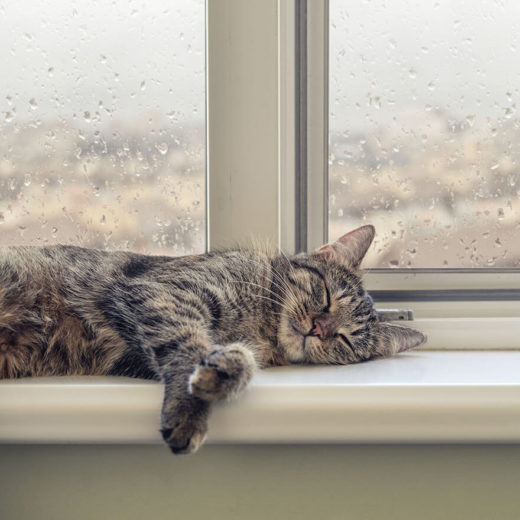
Minimizing Stress During Your Cat’s Senior Years
Your cat may be a fearsome predator ready to pounce on any beetle in their domain, but a change in routine, an unexpected noise, or other problem can cause health-impacting stress. Even if your adult cat isn’t often bothered by changes in their environment, senior and geriatric cats often are. Stress can also make chronic health concerns worse.
Common stressors include introducing a new pet or person into the house, but even moving the furniture can stress your cat. Ultimately, any change to your cat’s environment and routine will cause a certain amount of stress. And two of the most stressful experiences to cats–travel and vet visits—are unavoidable events. The best thing you can do is minimize unnecessary stress and work with your cat to make inescapable stressors less disruptive to your cat’s health.
One effective way to minimize stress is to use a long-term calmative. These calmatives, such as air-based pheromones, help your cat minimize the importance of common stressors like noise and environmental changes. For particularly stressful events, such as fireworks or a trip to the vet, you might want to consider pairing a long-term calmative with another faster-acting calmative about an hour before the actual expected incident.
Your veterinarian can also be an excellent partner in helping your cat live a less stressful life. Many veterinarians will explore if your cat needs a prescription medication for particularly stressful times.
Supplementing for Better Cat Health
As your cat’s organs age, they become less efficient at processing protein and other nutrients. A digestive supplement can make it easier for your cat to get the most nutrients out of every bite they eat. Adding prebiotics can also help your cat boost the overall number of good bacteria in their system. There are also supplements that can help prevent senior cat hair loss and boost overall organ health.
Our recommendation for supplementation? Start with one concern and use the supplement for at least three months before judging its effectiveness. If you think your cat is benefitting, keep the supplement as part of the regular rotation. Otherwise, look for another supplement. After you’ve addressed one possible concern via supplementation, look at other ways to improve your cat’s health through supplementation. Adding supplements one at a time will allow you to gauge their effectiveness without overwhelming your cat.

Joints and Teeth Need Special Attention in Senior or Geriatric Cats
Joint Health: Your senior cat may not have arthritis, but it’s likely your geriatric cat will eventually develop some form of this chronic health condition. Ninety percent of cats over the age of 12 have arthritis, which makes arthritis management and prevention useful for any senior or geriatric cat.
To prevent stress on joints, preserving muscle tone and overall musculoskeletal strength is key. Feeding a high protein diet to prevent muscle wasting is important and prioritizing playtime will help your cat keep their body limber and strong. Keeping your cat at a healthy body condition score will also reduce or alleviate arthritis symptoms.
Supplements can also help your cat’s overall joint health significantly. Many people are surprised at how limber their older cat becomes after regular joint supplementation. And a heated bed is usually appreciated by all cats, but it can really help reduce any joint pain.
Dental Health: Even if you’ve regularly brushed your cat’s teeth, your veterinarian may start spotting dental problems as they age. And if you haven’t had the opportunity to start a dental care plan, now’s a great time to start one. A mixture of dental supplements and diet changes can help slow down or stop dental decay—and there’s no brushing required.
Knowing how to spot dental problems is also important for senior cats because they can stop eating if their mouths become too tender. Periodontal disease can also make some chronic health problems worse.
Learn More: Supporting Oral Health: Dental Care for Cats
learn more: Supporting Oral Health: Dental Care for Cats
Vision Loss in Cats
Yearly veterinary checkups are one of the best things you can do to preserve your cat’s eyesight. Senior and geriatric cats can experience vision loss, and it’s often caused by an underlying health condition that’s been causing your cat’s vision to slowly deteriorate for years. Cats are good at compensating for underlying difficulties, so you’ll need a professional to diagnose the problem and find a solution.
Retinal detachment is one of the most common causes of sudden blindness in cats. It’s often caused by high blood pressure, kidney disease or an overactive thyroid gland. These problems are treatable, but you’ll only know if your veterinarian screens for them.
Inflammation of the uvea, often caused by an infection such as Feline Infectious Periotonitis, Feline Leukemia Virus or Feline Immunodeficiency virus, can also cause chronic problems and lead to blindness. If you notice your cat squinting or their eyes are enlarged, it’s time to take them to the veterinarian for a checkup. Inflammation of the eyes or swollen third eyelids are also symptoms of this problem.
Cats can also develop cataracts, glaucoma and progressive retinal atrophy. All of these are complex conditions that require a veterinarian’s oversight to manage properly.
You might also notice that your cat is more likely to get conjunctivitis when they age. This condition is incredibly contagious between cats and will cause your cat to develop runny eyes. Luckily, conjunctivitis is easily curable with some medication from your veterinarian.

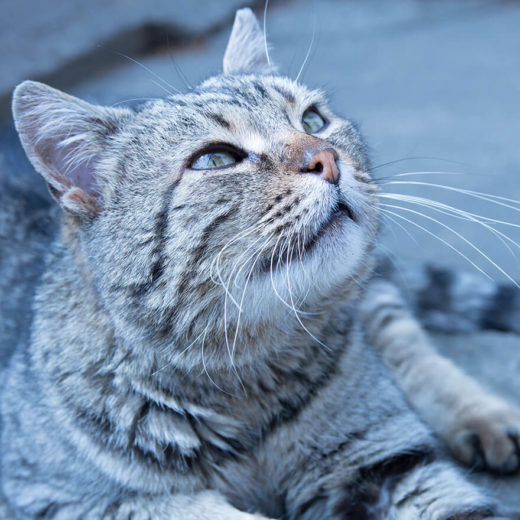
Understanding Cognitive Decline in Cats
Has your cat started meowing at all times in the night or looking at something that isn’t there? These are both common signs of cognitive decline in your cat. It’s reasonable to expect some amount of cognitive decline in your older cat, but many cat owners mistakenly believe that significant cognitive decline is normal. It’s not. Although the ASPCA says that over half of cats between the ages of 11 and 15 years old will show some symptoms of feline cognitive dysfunction, its progression can be slowed through supplementation and medication. Cats between the ages of 16 to 20 years old have an 80 percent chance of showing some level of feline cognitive dysfunction, so a proactive approach can benefit your cat.
Diagnosing cognitive decline can be difficult because the symptoms are so varied. Some cats may start eliminating outside the litter box. Other cats may act like they don’t recognize other cats, pets or family members. Some cats get lost in their own homes, while others get stuck in odd places. A cat might stop grooming themself or become more irritable. A few cats might become overly dependent on your companionship.
Ultimately, you know what is normal behavior for your cat. Discussing any odd behaviors with your veterinarian and starting supplementation to protect brain health will help protect your cat’s longevity. It’s important to discuss your concerns with your veterinarian because cognitive decline can sometimes be treated, and its symptoms can also be confused with symptoms of urinary tract diseases, arthritis, dental problems, thyroid dysfunction or cancer. Your veterinarian can partner with you to determine if medication or another treatment is necessary for the symptoms you spot.
When to See Your Veterinarian
Any type of behavior change that lasts longer than a week merits a visit to your veterinarian. Early intervention is key for successfully treating cognitive decline or other health problems. Many cats instinctually hide symptoms when they’re in pain; a change in behavior might be the only indication that your cat needs medical attention. Also, any time your cat stops eating for 36 hours, you should immediately schedule a vet visit due to the risk of developing potentially fatal fatty liver disease.
Yearly vet visits and lab work are also key as your cat ages. Urine tests, fecal tests and bloodwork can help your vet identify any problems quickly, while they’re still more likely to be treatable. Every veterinarian will have a different preference for the types of testing your cat needs based on their health, medical history and age.