
Make a Plan to Help Your Senior Dog Age Gracefully
It starts with a single white whisker or a sprinkling of gray hairs along the muzzle. But one day, you realize that your dog has achieved senior status. Many owners report that the golden years are some of the most fun of their dogs’ lives. Older dogs are often better trained and more able to listen when compared to an excitable puppy. Plus, you’ve had years to learn how to communicate with each other.
While senior and geriatric dogs are more likely to have health problems than puppies, many of these problems are avoidable or can be minimized with the right nutrition before a problem is spotted. Antioxidants, for example, won’t heal cell damage, but they will prevent it. So, don’t wait for symptoms or problems to appear. Make a plan today to help your senior dog age gracefully, and you’ll ensure your dog will have the best possible life.
Dental Challenges of Senior Dogs
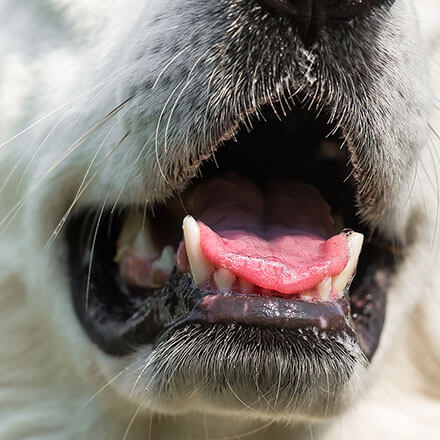
Young dogs may be able to keep their teeth healthy by chewing, but as your dog ages they’re more likely to develop problems with their teeth. Small senior dogs are the most likely to have severe dental problems, and those dental problems are more likely to cause damage to the jaw of your dog.
Dental problems may be difficult to spot, so it’s important to let your veterinarian check their teeth at least once a year. Of course, if you notice any swelling in your dog’s mouth, or they have the tendency to chew on only one side of their face, they may have a dental problem that requires veterinary intervention.
Protecting your dog’s teeth doesn’t necessarily require brushing. Combining a mixture of supplements, chews and other dental products can help preserve your dog’s teeth their entire life. After a dental cleaning is also a great time to renew your commitment to keeping your dog’s teeth clean—the results of a thorough veterinary cleaning can last for years with proper maintenance.
learn more: Supporting Oral Health: Dental Care for Dogs
Understanding Changes in Your Senior Dog’s Eye Health
Just like any mammal, your dog’s eyesight will degrade slightly as they age. But many holistic veterinarians agree that inadequate nutrition is the leading cause of retinal degeneration, cataracts, glaucoma and other eye health concerns. Making sure to feed a biologically appropriate, balanced diet to your dog and supplementing with high-quality antioxidants can reduce the chance of your dog developing eye problems.
Some diseases can also cause or contribute to eye problems in dogs. Diabetes, in particular, can cause cataracts if not treated properly. Hypothyroidism may often accompany cataracts. Some dog breeds are also more susceptible than others to certain eye conditions, so you may want to ask your veterinarian to check for certain conditions.
As your dog ages, you may notice that your dog’s eyes have a blue-gray haze. In most cases, this is indicative of lenticular sclerosis, which slightly affects your dog’s vision over time. However, don’t try to diagnose this condition yourself: cataracts look similar. Luckily your veterinarian can use an ophthalmoscope to check your dog’s eyes and make a diagnosis within minutes.
If your dog does have cataracts, they will need to surgery to prevent blindness. Many dogs with untreated diabetes and hypothyroidism have cataracts. That’s why keeping these conditions under control is particularly important for eye health. Untreated cataracts start causing blurring and vision distortion, but it’s difficult for owners to detect them until over half of the eye is affected.
Cataracts and lenticular sclerosis may be familiar to many dog owners, but it’s glaucoma that’s one of the most common causes of vision loss in dogs.
Acute glaucoma causes eye redness and pain and must be treated within 48 hours to prevent complete blindness in the eye. Elevated intraocular pressure in the eye can damage the retina and optic nerve over time, which leads to a more chronic type of glaucoma. Common breeds such as Basset Hounds, Chows, Cocker Spaniels, Siberian Huskies, Malamutes and Poodles are all at risk for developing glaucoma.
Any type of glaucoma causes intraocular pressure, which can cause significant pain. Your dog might stop eating all their food, become withdrawn or lethargic, or spend most of their time sleeping. It’s easy to think that these symptoms are part of getting old, not an actual symptom of eye disease. But after treatment, your dog should return to their regular meals and their regular habits.
Retinal degeneration is a form of eye disease that starts as night blindness. Collies, Cocker Spaniels, Labrador Retrievers, Miniature Poodles and Irish Setters most commonly develop the hereditary form of this disease. Any dog is at risk for sudden acquired retinal degeneration, which may be caused by certain disorders such as Cushing’s disease. There aren’t any treatment options for retinal degeneration, so immediately treating medical conditions that may contribute to retinal degeneration is crucial.
If your dog becomes blind, try to make their life easier. Avoid moving furniture. Apply an essential oil, such as lavender, to corners and other places they might walk into. The essential oil helps them create a mental smell map to navigate. Also, encourage children and strangers to use their voices to communicate with your dog before touching them. Finally, Thundershirts can help with anxiety if your dog needs to go to an unfamiliar place.
Investing in an orthopedic bed will help support your dog’s joints and prevent stiffness. Many orthopedic beds are available with either passive warming or electric warming options. There are also warming pads you can add to a bed your dog already loves. These options can reduce routine stiffness that will encourage exercise when they’re not sleeping. Always make sure that any heating element you use is made for pets to prevent burns or other problems.
Helping your dog overcome osteoarthritis also involves routine changes for both of you. When you’re out walking, monitor your dog’s responses and try not to walk them beyond their capacity. Sometimes splitting one long walk into two or more short walks works best.
Your older dog may want to stop regular exercise because it painfully affects their joints. And the longer they skip exercise, the more their muscles weaken and provide less joint support. But many dogs that won’t exercise on land are happy to exercise in the water, where their joints don’t have to bear any weight. Swimming or formal hydrotherapy in warm water is the exercise gold standard for all dogs. Your arthritic dog can benefit from it more than other dogs, so it’s worth seeking out a pool for swim sessions a few times a week.
Acupuncture and chiropractic treatments are two options that may reduce arthritis pain. You can also consider massage therapy. Some canine massage therapists will show you movements you can use to help your dog on a daily basis.
Many dog owners feel they can control their dogs’ arthritis symptoms with a combination of these approaches. But don’t think that these approaches are enough for every dog. Arthritis is a painful condition, and ultimately your veterinarian may want to prescribe medication to help your dog live their best life for as long as possible.
How Do You Spot Canine Cognitive Dysfunction?
We don’t know if your dog will have canine cognitive dysfunction, but studies indicate there’s a significant risk of this type of dementia in geriatric dogs. Like humans, some mild mental changes can be the result of standard aging, while significant symptoms are the result of this form of dog dementia.
Regular urinating in the house is a common warning sign. The occasional accident in the house isn’t cause for concern: joint stiffness or lack of muscle control could cause an accident. But if you find your dog is regressing in their overall housetraining, cognitive problems should be considered.
Aggression, grumpiness and other changes in dog or people interactions may also be a sign of cognitive decline. Even-tempered dogs may become irritable as they age. Arthritis or other painful ailments can also cause these symptoms, so talk to your veterinarian to determine if your dog has any painful problems that need treatment.
Some dogs stop sleeping through the night as they age. They may keep you up at night or bark at things that aren’t there. Some dogs reverse their day and night activities completely. They can start eating at night and sleeping during the day.
Overall disorientation is common for dogs with canine cognitive dysfunction. Your dog may become lost in familiar places or get stuck behind pieces of furniture. In extreme cases, they might have trouble finding their food or water dish.
An overall decline in activity level can also be a symptom of canine cognitive dysfunction. Some dogs just lose interest in exploring their environment. Other dogs may start pacing or barking for no reason. Leg shaking and head bobbing are also common symptoms that point to brain decline.
Spotting any of these symptoms should prompt a conversation with your veterinarian. Many of these symptoms aren’t just a symptom of canine cognitive decline, so it’s worth getting an official diagnosis. And if your dog does have canine cognitive dysfunction, there are dietary changes and supplements that can help support brain health and slow further decline.
Improving Senior Canine Brain Health and Preventing Dog Dementia
Even with an exceptional diet, your dog has a chance of developing canine cognitive dysfunction. But there are some things you can do to support your dog’s overall brain health. A high-quality essential fatty acids supplement, such as a fish oil or green-lipped mussels, can make sure your dog has a good supply of omega-3 fatty acids.
Think about including medium-chain triglycerides (MCTs) to provide your dog with a fuel to improve brain energy. High-quality coconut oil is one common source of medium-chain triglycerides that’s inexpensive and effective. You can also add supplements with compounds like Ginkgo Biloba and L-Carnitine to support brain health and function.
Commit to providing mental stimulation for your dog. Puzzle toys can provide stimulation when you’re not around, but they’re not enough to work your dog’s brain. It’s important to interact with your dog by doing things that require them to think. Despite the saying, learning new tricks is completely possible, and enjoyable, for old dogs. Try taking them to meet people and other dogs and schedule long walks in areas you haven’t explored yet.
If your dog starts roaming your house at night, talk to your veterinarian about possible solutions. There are some supplements, including melatonin and chamomile, that may help your dog sleep. A talk with your veterinarian will help you determine proper dosage and the right supplement to use.
Hearing Loss in Senior Dogs
Your dog may experience gradual hearing loss as they age. As a dog owner, it may be difficult to notice at first. And sometimes, it’s just selective hearing that affects us all when we’re asked to do something that we don’t want to do.
There really isn’t treatment available for the type of hearing loss in dogs that comes with old age. What you should verify with your veterinarian is that the hearing loss isn’t caused by an infection, tumor or other problem that can be treated. Even significant ear wax or hair can block the ear canal and cause some hearing loss.
If your dog does have hearing loss, it’s important to keep them on a leash when they’re not indoors or in a fenced area. Also, consider adding an ‘I’m Deaf’ tag to their collar in case they become lost. For dogs that miss off-leash freedom, you can use a vibrating collar to train your dog to stay and come to you. Then you can use hand signals to help communicate with your dog and ask them to sit, lay down or drop it.
It’s easier to startle your dog when they’re deaf, so adopt a policy of using vibrations, such as stomping your foot, to wake them up. Encourage people not to touch them when they’re sleeping, so they won’t react fearfully when they’re woken up unexpectedly.
When to Talk to a Veterinarian About Your Senior or Aging Dog
Once your dog reaches senior status, talk to your veterinarian about bloodwork to check your dog’s overall health. Blood testing can uncover problems with your dog’s liver, kidneys and other organs before noticeable symptoms. Early treatment can also give your dog a longer, healthier life. While we recommend yearly vet visits for adult dogs, twice-yearly veterinarian visits for seniors can be a great investment in their overall health.
Senior and geriatric dogs are at greater risk for developing heart problems, cancer and other conditions. Your dog’s immune system may also be weaker. That gives common ailments a chance to gain hold in your dog’s body.
Any time you spot a change in your dog, you might want to discuss it with your veterinarian. Dogs can’t talk, which means extra vigilance when you do spot a possible symptom of illness. Don’t fall into the trap of thinking that health problems are just a byproduct of your dog getting old. With the right care, supplements and nutrition, your dog can have a lengthy, robust life.