
Editor’s Note: This topic is one that is incredibly important to a pet’s overall health. As such, Mud Bay’s Consulting Veterinarian Dr. Katy Miller has provided a deep dive into the specifics of how gut health in pets works, why it’s so crucial, and what you can do to help improve your pet’s gut health. If you’re pressed for time, the key takeaways are bolded for convenience, and when you want to get the full story—including references—we have included that information as well.
Your pet’s gut does a lot more than digest food. In fact, a healthy gut plays a vital role in your pet’s immune system, nutrient absorption, mood regulation, and even behavior. If your dog or cat has chronic digestive issues, frequent itching, low energy, or even signs of anxiety, their gut health could be to blame.
Fortunately, there are simple, science-backed ways to support a healthy digestive system for your furry friend. Here’s why gut health matters and how you can help.
Just like in humans, your pet’s digestive tract houses trillions of microbes, bacteria, fungi, and other organisms, collectively known as “the gut microbiome.” This microbial community helps break down food, produce vitamins, and defend against harmful pathogens.
A balanced gut microbiome contributes to:
When the gut microbiome is healthy and balanced, these signals help regulate mood, reduce anxiety, and promote emotional stability.9 But when the microbiome is imbalanced due to stress, illness, antibiotics, or a poor diet, it can send distress signals to the brain that may contribute to anxiety, fearfulness, or even aggression. A 2020 study found that dogs with behavior issues (like fear and aggression) had different gut microbiomes compared to behaviorally normal dogs, suggesting that the makeup of gut bacteria may influence emotional well-being.10 Other studies show that probiotics and diet can positively influence behavior in pets, likely by restoring a healthier balance in the gut and calming brain-related inflammation.11 This means that supporting your pet’s gut health doesn’t just help their tummy, it could also help them feel calmer, happier, and more emotionally balanced.
Feed a High-Quality, Digestible Diet
The foundation of your pet’s gut health starts with the food in their bowl. Just like with people, the types of ingredients and how easily they can be digested play a big role in shaping your pet’s gut microbiome. High-quality, easily digestible proteins like chicken, fish, or eggs break down more efficiently in the stomach and small intestine. This means your pet can absorb essential nutrients like amino acids without leaving too much waste behind in the colon, where it could be fermented by less-friendly bacteria, contributing to gut imbalance, gas, bloating, and soft stools.12
Add Prebiotics
Fiber is another key player. Prebiotics are dietary fibers that “feed” beneficial gut bacteria. Ingredients like beet pulp, inulin, and fructooligosaccharides (FOS) support a healthy balance of microbes. Soluble fibers (like beet pulp or inulin) help feed beneficial bacteria and produce short-chain fatty acids (SCFAs), which strengthen the gut lining and help reduce inflammation.13 Insoluble fibers (like cellulose) help add bulk to stool and keep the digestive system moving. A balanced mix of both helps maintain healthy gut motility and microbial diversity.
Incorporate Probiotics
Probiotics are live, beneficial bacteria that help improve your pet’s gut health by restoring balance to the digestive system. When dogs or cats experience stress, illness, antibiotic use, or changes in diet, the healthy bacteria in their gut can become unbalanced, leading to issues like diarrhea, poor stool quality, or even chronic inflammation. Probiotics work by repopulating the gut with “good” microbes that compete with harmful bacteria, reducing the chance of infection or digestive upset.8
Explore Postbiotics
Postbiotics may be the next big thing in pet digestive health. Postbiotics are the beneficial compounds that are naturally produced when probiotics (the “good bacteria”) break down fiber and other nutrients in the gut. These include powerful substances like short-chain fatty acids (SCFAs), enzymes, and peptides that help maintain a healthy gut environment, support the immune system, and reduce inflammation.14 Unlike live probiotics, postbiotics are non-living, which makes them incredibly stable—they retain their effectiveness even after exposure to heat, pressure, or shelf life challenges that often damage live cultures. This makes postbiotics an excellent option for supporting digestive and immune health in pet foods and supplements where probiotics might not survive processing. By helping to regulate gut pH, strengthen the intestinal barrier, and support immune cells, postbiotics offer a scientifically backed, next-generation approach to keeping your pet’s gut and overall health in balance.
Don’t Forget Hydration and Exercise
When it comes to your pet’s gut health, diet and supplements get a lot of attention, but hydration and movement are just as important. Water plays a crucial role in digestion by helping break down food, move it smoothly through the digestive tract, and keep stools soft and easy to pass. Without enough water, your dog or cat may become constipated or experience sluggish digestion, which can lead to discomfort and reduced nutrient absorption. An easy way to ensure your pet gets enough water to support healthy digestion is by feeding high-moisture foods such as gently cooked, raw frozen, and canned foods.
Exercise is just as essential. Regular physical activity helps stimulate muscle contractions in the intestines, a process known as peristalsis, which keeps food moving at a healthy pace through the digestive system. This is known as gut motility, and it helps prevent issues like bloating, constipation, or excessive gas. In dogs, studies have shown that moderate exercise can improve the diversity of the gut microbiome, which supports better overall digestion and immune health.15
Your pet’s gut health is the cornerstone of their overall well-being, impacting everything from digestion and nutrient absorption to immunity, skin health, and even emotional balance. By focusing on gut-friendly practices like feeding a highly digestible, nutrient-rich diet, adding prebiotics, probiotics, and postbiotics, and ensuring adequate hydration and exercise, you’re doing more than improving their digestion, you’re supporting their body and mind from the inside out. Gut health is not just a trend; it’s a science-backed approach to helping pets live longer, happier, and more comfortable lives. Whether your dog or cat is struggling with digestive issues or you’re simply looking to optimize their health, taking steps to nourish their microbiome is one of the most meaningful things you can do as a pet parent.
References
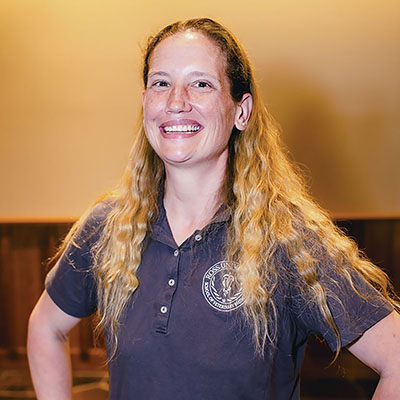
Dr. Katy Miller is the Director of Veterinary Services at BSM Partners. She previously served for 11 years as the Director of Dog and Cat Health and Nutrition for Mud Bay. Dr. Katy is a graduate of Ross University School of Veterinary Medicine, with her clinical year spent at Louisiana State School of Veterinary Medicine. She is a member of the American Veterinary Medical Association, Washington State Veterinary Medical Association, American Academy of Veterinary Nutrition, and the American Holistic Veterinary Medical Association.
🌞 🎆 🎉 Summer brings celebrations, late nights, travel and events that can leave your pets feeling uneasy.
🐈 🐕
Mud Bay is here to help, offering products that bring calm and comfort to your cat or dog when things get noisy.
🐈 🐕
We carry calming collars, tinctures, treats, and pheromones to help your pets handle everything summer brings—Shop Mud Bay in-store or online to find the right calmatives for your pets.
#mudbay #summer #keepcalm #healthypets #calming

Fluff & Tuff`s #IGIVEAFLUFF is Coming Soon!
🐾
Starting June 8th, National Best Friends Day, our friends at Fluff & Tuff are once again kicking off #IGiveAFluff to help put toys in the paws of shelter and rescue dogs who need them most.
🐾
And we want you to be a part of it, and it couldn`t be easier to participate!
Here`s how it works:
📸 Snap a photo of your dog with their favorite Fluff & Tuff toy.
📱 Share it on social media using #IGiveAFluff.
🐾 Fluff & Tuff donates a toy to a shelter or rescue dog.
🐾
Since 2015, with the support of pet parents like you and the generosity of Fluff & Tuff, over 22,000 toys have been donated to shelters and rescue dogs. Want to participate, but you need a Fluff & Tuff toy? Take a tip from Frank and stop by your local Mud Bay or visit us online. Click the link in our bio to learn more about #IGIVEAFLUFF
Canagan canned cat food is grain-free and made with your cat in mind, using high-quality protein from chicken, salmon, tuna, and more.
😻
It’s inspired by what cats are naturally built to eat, with a focus on animal protein and no artificial flavors, colors, or preservatives.
🐈
It’s also an easy way to add moisture to your cat’s routine—something many cats don’t get enough of—which can help support your feline friend with kidney and urinary-tract health.
🐈
🛍️ Shop Canagan Complete Cat Food in-store or online at Mud Bay.
Summer is coming, so be like Goose 🐕 and stay cool 😎 ❄️ on every outing with the Swamp Cooler Harness from Ruffwear.
🧊
Whether she’s out on a trail or enjoying a long walk or run, this harness is built for warm-weather adventures, offering cooling comfort and secure control in one breathable design.
🌞
Shop in-store or online at Mud Bay.
#mudbay #adventures #pnw #dog #summeriscoming
Mud Bay Memorial Day Hours ⏰
🐈 🐕
Today, Monday, May 25, all Mud Bay locations will be open from 10 am to 6 pm.
🐈 🐕
Delivery orders placed after 2 pm on Sunday will arrive on Tuesday. Store pickup and Instacart will still be available. 🐈 🐕 🚚
#mudbay #holidayhours #healthypets #mudbaydelivery #pets
🐾🌷The Ruffwear Front Range Flex Collection
🐕
Meet Harley, out in the tulip fields and ready for her next outing in the Front Range Flex Harness, Collar, and Leash.
🌷
Whether it’s a walk through the neighborhood or your next PNW adventure, this collection is designed for everyday use and changing conditions:
🐾
Lightweight and built to handle wet conditions
Easy to clean, just hand-wash and air-dry
Made with durable materials for every outing
🌷
Harley picked her look… now it’s your turn.
🐾
The Ruffwear Front Range Flex Collection is now available at Mud Bay. Shop in-store or online today!
#mudbay #ruffwear #adventure #dogwalk #pnwdogs
This cheese-flavored 🧀 💊 pill wrap helps make giving medicine easier for both dogs and cats. 🐕 🐈 Simply tear, wrap, and serve. It’s quick and mess-free.
🐾
The soft texture can be torn to fit any pill, and the cheese flavor makes each dose easier to give. Now with pumpkin, and always free from grain, gluten, and soy.
🐾
Stashio’s is a woman-owned company from Minnesota that creates simple solutions for daily pet care.
🐾
You can find Stashio’s wrap-ups at Mud Bay, both in-store and online.
#mudbay #stashios #wrapup #healthypets #pnwpets
Let your dog relax 💆 and unwind with a Puptail.
🌞
After a walk, run, hike, or just because, this brunch-inspired Puptail is a fun way to help your pup slow down and take it easy. It’s easy to make and flexible, so you can mix and match to make it your own.
🐾
Ingredients
- 3 tbsp Green Juju Golden Blend
- 1 tbsp blueberries
- 1 tbsp banana slices
- 1/2 cup Primal Raw Goat’s Milk Cranberry Blast
- Swell Dog Gelato Banana and Peanut Butter (for topping)
- Wagster Banana and Toasted Coconut Biscuits
- Green Juju Freeze Dried Vitality Blend
- Furvor Concentrated Beef Bone Broth (for ice cubes)
🐾
Optional Extras 🐕 🐶
Blueberry and bone broth ice cubes
Wag and Bright Supply Co. Spirulina and Beef Collagen dog chew
🌞
Directions
1. Add Green Juju Golden Blend as your base
2. Layer in blueberries and banana slices
3. Pour in goat’s milk between layers
4. Repeat layers as desired, then freeze or serve as is
5. Top with gelato, biscuits, and freeze-dried blend
6. Add ice cubes and extras for a cool finish
#mudbay #treatyoself #pup #summeriscoming #puptail
Furvor bone broth is made with 100% human-grade ingredients and is up to 30 times more concentrated than regular broths. It provides protein, collagen, amino acids, and important nutrients to help your dog’s gut, joints, skin, coat, and overall health.
🐕
The 20 oz bottle provides more than 20 servings, making it an easy way to add beneficial nutrition to your dog’s daily routine at home.
🐕
If you’re out and about, Furvor’s single-serve pouches will help keep your dog hydrated, with a pep in their step wherever you go. They’re great for summer, hikes, walks, or days by the water.
🐕
Just tear open, squeeze, and serve. You can mix it with water, pour it over kibble, or give it on its own. You can buy them one at a time or in a pack of six.
🐕
Shop Furvor Bone Broth in-store or online today! 🛍️ 🐾
#mudbay #furvor #healthypets #pnwpets #bonebroth
Capstar Oral Flea & Tick Treatment
🐾When fleas show up, it helps to act quickly. Capstar is an easy-to-use oral treatment that starts working in about 30 minutes and can kill most fleas within the first few hours. It’s a simple way to bring fast relief and can be used alongside your dog’s regular flea and tick routine.
🐕
Vetality Flea & Tick Monthly Topical Treatment
🐾 For ongoing protection, Vetality Avantect offers vet-quality coverage at a great value.
🐾
These broad-spectrum topicals kill and repel fleas, flea eggs, ticks, and mosquitoes, while also targeting all stages of the flea life cycle. It also helps repel biting flies and kill lice. Available in four weight ranges and a four-month supply for continued protection.
🐕
🛍️ Shop in-store or online today.
#mudbay #fleaandtickseason #healthypets #dogs #fleafree
We have all the treats, toys, and zoomie-inducing catnip options for your cat, both in-store and online at Mud Bay.
🐈
So whether you have a cat who likes to bite, rabbit-kick, or lie back and relax with a nice treat and some catnip, we have what your feline friend needs to keep them happy, healthy, and engaged.🐈
#mudbay #cats #cattreats #catnip #cattoys
Oven-fresh meals straight to your dog’s bowl.
🐾
Nulo Culinary Harvest is a high-protein, oven-baked dog food, basted in bone broth to support your dog’s digestion and joint health.
Nulo only uses high-quality proteins like turkey, herring, chicken, pork, lamb, and beef, then bakes each formula slowly at low temperatures to retain nutrients and make meals easier to digest.
🐾
Choose from Adult recipes such as Chicken & Whitefish, Turkey & Herring, or Pork & Lamb, available in 4-lb or 25-lb bags. For small breeds, Beef & Lamb comes in 4-lb and 10-lb bags.
🐕
Shop Nulo Culinary Harvest Oven-Baked Dog Food in stores or order online today!
#mudbay #nulo #healthypets #ovenbaked #dogfood