Why Sniffing is an Essential Communication Tool for Dogs
Healthy Dogs | April 20, 2026

If you’ve ever taken your dog on a walk and felt frustrated when they stop to sniff everything, you’re not alone. Many pet owners think sniffing is just a time-wasting habit. But in reality, sniffing is one of the most important ways dogs communicate and understand the world. Dogs experience the world primarily through their noses—unlike humans, who rely heavily on vision. Sniffing is not just about detecting smells—it is a fundamental part of their communication, social interaction, and cognitive processing. Instead of rushing them along, embracing their need to sniff can improve their mental well-being, reduce stress—and even strengthen your bond.
First off, a bit of background: A dog’s sense of smell is extraordinarily powerful, estimated to be 10,000 to 100,000 times more sensitive than that of humans. Imagine walking into a bakery. You smell bread baking. Your dog? They can smell each individual ingredient—the flour, yeast, butter, and sugar separately. That’s how detailed their sense of smell is!
This is due to olfactory receptors a dog has, which detect odor molecules in the air. Each olfactory receptor is tuned to recognize certain types of odor molecules, and the combination of signals from different receptors allows an animal to perceive a vast range of scents.
Dogs have an extraordinary number of olfactory receptors—estimated at over 220 million, compared to the human count of approximately 5 million. This remarkable abundance is a key reason why dogs have such an acute sense of smell. A pup’s heightened olfactory system is key in their ability to support survival-critical behaviors such as hunting, detecting danger, identifying individuals, and communicating socially.
Dogs greet each other through sniffing, particularly in the anal and genital regions. This behavior, often misunderstood by humans, is a highly efficient way for dogs to exchange information. This olfactory investigation allows dogs to detect pheromones and other chemical compounds not perceived by the human nose. Through this complex scent analysis, dogs gain insight into emotional states, hierarchical status, and even stress levels, making sniffing not only a greeting ritual but also a sophisticated tool for navigating their social world.
Dogs use scent marking—through urination and the secretion of specialized glandular compounds—as a primary means of communication to establish territory, signal identity, and convey complex social messages. These scent cues allow dogs to gather critical information without the need for direct interaction, helping to prevent unnecessary aggression and conflict. By interpreting these olfactory signals, dogs can assess the dominance or submission of others, recognize individual identities, and even determine emotional states. In this way, scent marking serves not only as a territorial tool but also as a sophisticated language that supports the structure and stability of canine social hierarchies.
Allowing dogs to engage in sniffing activities has been shown to significantly reduce stress and enhance overall welfare. Sniffing is not just a natural behavior for dogs—it is a fundamental way in which they explore and interpret the world around them. Research by Horowitz (2016) demonstrated that dogs who were permitted to sniff freely during walks exhibited lower levels of cortisol, the hormone associated with stress, suggesting that this simple act has a calming effect on the canine nervous system. Encouraging sniffing, whether through leisurely walks, nose work games, or formal scent detection training, is an evidence-based and accessible way to support a dog’s psychological well-being.
Sniffing is far more than passive inhalation—it is a complex, cognitively demanding activity that requires active engagement of a dog’s brain. When a dog sniffs, they are decoding vast amounts of olfactory information, which stimulates multiple areas of the brain related to memory, decision-making, and focus.
Two quick examples: A study by Duranton and Horowitz (2019) revealed that dogs who regularly engaged in nosework exercises demonstrated enhanced problem-solving abilities and sustained attention spans compared to dogs who did not. This suggests that scent-based activities promote not only emotional wellness but also measurable cognitive benefits.
Additionally, research by Olby et al. (2017) supports the use of enrichment activities involving sniffing—such as food puzzles, tracking tasks, and scent-detection games—as effective tools to enhance mental stimulation and prevent boredom-related behaviors, including destructiveness and excessive vocalization.
These findings reinforce the idea that incorporating olfactory challenges into a dog’s daily routine is essential not just for physical enrichment, but for maintaining and improving cognitive health throughout a dog’s life. These findings emphasize the importance of allowing dogs the freedom to sniff, rather than rushing them on walks or discouraging the behavior.
Dogs do not rely on scent solely for communication with other dogs—they also use their powerful olfactory systems to gather detailed information about the humans around them. Scientific research increasingly supports the idea that dogs are capable of detecting subtle emotional and physiological changes in people through scent.
A landmark study by D’Aniello et al. (2018) demonstrated that dogs can discriminate between human odors produced in different emotional states, such as fear and happiness. In this study, dogs exposed to fear-related human odors exhibited behaviors associated with stress and increased attachment-seeking toward their owners, indicating not only recognition of the emotion but also an empathetic response. This suggests that dogs can interpret human emotional states through scent alone, even without visual or auditory cues.
Further underscoring the sensitivity and importance of a dog’s sense of smell, dogs have also been successfully trained to detect a variety of medical conditions in humans through scent recognition. For example, dogs have been shown to identify specific cancers, including lung, breast, and colorectal cancer, with remarkable accuracy. In a study by McCulloch et al. (2006), trained dogs identified breast and lung cancer from breath samples with up to 97% sensitivity and 99% specificity.
Similarly, dogs have demonstrated the ability to alert to hypoglycemic events in individuals with diabetes, often before clinical symptoms become apparent. More recently, dogs were trained to detect COVID-19 infections with high sensitivity, including asymptomatic cases, by identifying volatile organic compounds associated with the disease.
These extraordinary capabilities highlight that sniffing is far more than a survival tool or recreational activity for dogs—it is a core means through which they navigate, understand, and connect with the world around them—including their human companions. Through olfaction, dogs access a layer of reality largely invisible to us, allowing them to interpret our emotions, identify our illnesses, and respond with astonishing accuracy and empathy. This body of research not only reinforces the value of scent-based enrichment in canine welfare but also points to the immense, largely untapped potential of dogs in human health and emotional support roles.
Sniffing is not just a simple behavior—it is a crucial communication tool, stress reliever, cognitive enhancer, and social connector for dogs. Scientific research underscores the importance of allowing dogs to engage in natural sniffing behaviors rather than discouraging them. Instead of rushing your dog on a walk, consider giving them time to sniff—it’s their way of exploring, learning, and communicating with the world around them.
References
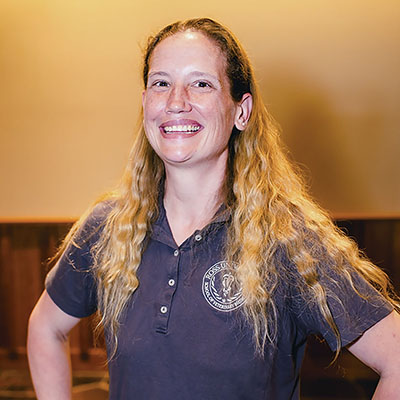
Dr. Katy Miller is the Director of Veterinary Services at BSM Partners. She previously served for 11 years as the Director of Dog and Cat Health and Nutrition for Mud Bay. Dr. Katy is a graduate of Ross University School of Veterinary Medicine, with her clinical year spent at Louisiana State School of Veterinary Medicine. She is a member of the American Veterinary Medical Association, Washington State Veterinary Medical Association, American Academy of Veterinary Nutrition, and the American Holistic Veterinary Medical Association.
⚽🌍 This week, Sean from Mud Bay Belltown is heading to the Belltown Dog Park to ask dog owners and Mud Bay customers in Seattle’s Belltown neighborhood for their World Pup Cup Predictions! 🥅
⚽🐕
Today’s World Cup Pup prediction comes from Dorthey and her two pups, Boba and Lychee, for the match between Belgium and Egypt.
🇧🇪 ⚽ 🇪🇬
#mudbay #pupperdictions #worldcup #soccer #worldcup

Mud Bay Delivery offers free same-day delivery 🚚 when you order before 2 pm. From food and supplements to toys, treats, and even frozen items, we’ll bring it all right to your door. It’s available seven days a week, with free delivery on orders over $30.
🚚 🐈 🐕
Shop anytime at MudBay.com and let Mud Bay Delivery bring your pet’s go-to items straight to you. Click the link in our bio to place your order today.
#mudbay #healthypets #mudbaydelivery #pnw #pets
When the bone broth becomes the treat.
🦃 🐕 🦴 🧊
Turn Open Farm Homestead Turkey Bone Broth into easy, homemade frozen treats with the Messy Mutts Silicone Treat Mold this summer. Made from flexible BPA- and PVC-free, food-grade silicone, the molds feature convenient fill lines for portioning and a notched center that makes it easy to break larger treats into smaller pieces.
🧊 🌞
Pour in the collagen-rich bone broth, freeze, and serve. Made from humanely raised turkey bones and slow-simmered with pumpkin, carrot, and turmeric, it adds flavor, hydration, and enrichment to your dog’s day.
🧊 🌞
Minimal prep. Maximum tail wags. Shop Open Farm Homestead Turkey Bone Broth and the Messy Mutts Bake and Freeze Dog treat maker in-store or online at Mud Bay.
#mudbay #openfarm #messymutts #summer #staycool
Reduce. Reuse. Go for a walk.
♻️ 🐕
The Eco Collar and Leash Collection from RC Pets is made with REPREVE® webbing, created from 100% recycled plastic bottles. 🇨🇦 Proudly made in Vancouver, Canada, these collars and leashes are designed to be durable, comfortable, and ready for everyday adventures.
♻️ 🐕
And now you can shop RC Pets Eco Collar and Leashes for your dog in-store or online at Mud Bay.
#mudbay #dogwalk #dogs #rcpets #recycled
Starting today our friends at Fluff & Tuff are once again kicking off #IGiveAFluff to help put toys in the paws of shelter and rescue dogs who need them most.
🐾
And we want you to be a part of it, and it couldn’t be easier to participate!
⚽️
Here’s how it works:
📸 Snap a photo or a video of your dog with their favorite Fluff & Tuff toy.
📱 Share it on social media using #IGiveAFluff.
🐾 Fluff & Tuff donates a toy to a shelter or rescue dog.
🐕
Since 2015, with the support of pet parents like you and the generosity of Fluff & Tuff, over 22,000 toys have been donated to shelters and rescue dogs.
🐕
Want to participate, but need a Fluff & Tuff toy? Maybe a soccer ⚽️ ball for your pup with a certain soccer tournament kicking off this week? We’ve got you covered!
🐾
Stop by your local Mud Bay or visit us online. Click the link in our bio to learn more about #IGIVEAFLUFF
It’s never a bad time to chill. 🧘♀️ 🐾
🍨
Swell`s My Chill Time Premium Dog Gelato is made with functional ingredients like chamomile and passion flower tea, which help your pup stay cool, calm, and collected when summer activities makes thier day-to-day a little more stressful. Plus, it includes blackberries, 🥥 coconut milk, ginger, beets, and 🍯 🐝 honey, which are great for digestion and antioxidant support.
🐕
Swell Premium Dog Gelato is not only a tasty treat on a hot summer day, but it also helps keep your pup living their best life and staying CHILL. Shop My Chill Time from Swell in-store or online at Mud Bay this summer. 🌞
#mudbay #swelldoggelato #swell #dogs #chill
Adventure-ready and made for the water, the Ruffwear Float Coat helps keep your dog comfortable during every swim.
🌊 🛶 🐕 ☀️
The Float Coat offers a secure, telescoping neck closure that adjusts to fit a variety of dog sizes, while the lightweight foam panels support natural movement and buoyancy in the water, keeping them comfortable and safe.
🌊 🛶 🐕 ☀️
Plus, it offers a super handy, low-profile handle that makes it easy to lift your pup out of the water, and reflective accents that add extra visibility for long days at the lake, beach, or river.
🐾 🛍️
Bring your pup in-store or shop with us online for the Ruffwear Float coat today!
#mudbay #summer #adventures #ruffwear #doglife
🌞 🎆 🎉 Summer brings celebrations, late nights, travel and events that can leave your pets feeling uneasy.
🐈 🐕
Mud Bay is here to help, offering products that bring calm and comfort to your cat or dog when things get noisy.
🐈 🐕
We carry calming collars, tinctures, treats, and pheromones to help your pets handle everything summer brings—Shop Mud Bay in-store or online to find the right calmatives for your pets.
#mudbay #summer #keepcalm #healthypets #calming
Fluff & Tuff`s #IGIVEAFLUFF is Coming Soon!
🐾
Starting June 8th, National Best Friends Day, our friends at Fluff & Tuff are once again kicking off #IGiveAFluff to help put toys in the paws of shelter and rescue dogs who need them most.
🐾
And we want you to be a part of it, and it couldn`t be easier to participate!
Here`s how it works:
📸 Snap a photo of your dog with their favorite Fluff & Tuff toy.
📱 Share it on social media using #IGiveAFluff.
🐾 Fluff & Tuff donates a toy to a shelter or rescue dog.
🐾
Since 2015, with the support of pet parents like you and the generosity of Fluff & Tuff, over 22,000 toys have been donated to shelters and rescue dogs. Want to participate, but you need a Fluff & Tuff toy? Take a tip from Frank and stop by your local Mud Bay or visit us online. Click the link in our bio to learn more about #IGIVEAFLUFF
Canagan canned cat food is grain-free and made with your cat in mind, using high-quality protein from chicken, salmon, tuna, and more.
😻
It’s inspired by what cats are naturally built to eat, with a focus on animal protein and no artificial flavors, colors, or preservatives.
🐈
It’s also an easy way to add moisture to your cat’s routine—something many cats don’t get enough of—which can help support your feline friend with kidney and urinary-tract health.
🐈
🛍️ Shop Canagan Complete Cat Food in-store or online at Mud Bay.
Summer is coming, so be like Goose 🐕 and stay cool 😎 ❄️ on every outing with the Swamp Cooler Harness from Ruffwear.
🧊
Whether she’s out on a trail or enjoying a long walk or run, this harness is built for warm-weather adventures, offering cooling comfort and secure control in one breathable design.
🌞
Shop in-store or online at Mud Bay.
#mudbay #adventures #pnw #dog #summeriscoming
Mud Bay Memorial Day Hours ⏰
🐈 🐕
Today, Monday, May 25, all Mud Bay locations will be open from 10 am to 6 pm.
🐈 🐕
Delivery orders placed after 2 pm on Sunday will arrive on Tuesday. Store pickup and Instacart will still be available. 🐈 🐕 🚚
#mudbay #holidayhours #healthypets #mudbaydelivery #pets