

The Science Behind Multi-Box Households for Cats
Healthy Cats | March 26, 2025

Providing a cat with access to more than one litter box is more than a matter of convenience—it’s a critical aspect of feline health, behavior, and welfare. Backed by animal behaviorists and veterinary science, this practice can reduce stress, prevent inappropriate elimination, and support both physical and psychological well-being in cats. The recommended guideline is to provide one litter box per cat, plus one additional box. This means that if you have two cats, you should ideally have three litter boxes. This recommendation is rooted in both scientific research and expert consensus.
The “N+1 Rule” and Its Scientific Basis
Veterinarians and feline behaviorists recommend following the “N+1 rule”—one litter box per cat, plus one extra. This guideline isn’t arbitrary; it’s designed to prevent resource guarding, give cats options, and reduce the chances of elimination outside the box (Neilson, 2004).
Territory
Cats are solitary hunters by nature, and their sense of territory plays a central role in how they interact with their environment—this includes where they eliminate. Research shows that even in multi-cat households where animals are friendly with one another, each cat still prefers to control its own resources, including litter boxes. Providing multiple litter boxes reduces competition and the potential for one cat to guard the litter box, which can lead to stress or inappropriate elimination behaviors.
According to the American Association of Feline Practitioners (AAFP), cats perceive litter boxes as key territorial resources. Competition or lack of access can lead to stress-induced elimination issues, particularly in multi-cat homes or spaces where boxes are placed in high-traffic or enclosed areas (Rodan et al., 2010).
Cleanliness
Cats have a strong preference for cleanliness when it comes to their elimination habits. A study published in the Journal of Veterinary Behavior found that cats prefer clean litter boxes over dirty ones, regardless of which cat used the box previously. This underscores the importance of maintaining clean litter boxes in multi-cat households (Ellis et al., 2017). Multiple litter boxes make it easier to maintain a clean environment, as waste is distributed, and each box remains cleaner for longer.
Preferences
Some cats may prefer to urinate in one box and defecate in another. Having multiple boxes allows cats to follow their natural inclinations without feeling constrained. Another study highlighted that cats significantly preferred larger litter boxes (86 cm by 39 cm) compared to smaller ones (56 cm by 38 cm). This suggests that providing spacious litter boxes can enhance comfort and encourage proper use (Villeneuve-Beugnet et al., 2018).
Litter Box Avoidance: A Clinical Concern
Inappropriate elimination is one of the top reasons cats are relinquished to shelters. Behavioral studies estimate that over 10% of cats will eliminate outside the litter box at some point in their lives, and inadequate litter box availability is a primary contributing factor (Bateson & Bradshaw, 1997).
When cats don’t have a clean, accessible litter box option, they may avoid using one altogether. Studies have shown that providing multiple litter boxes can reduce the incidence of feline lower urinary tract disease (FLUTD), a stress-related condition, by minimizing behavioral triggers like territorial competition and limited access (Buffington et al., 2006).
Providing multiple boxes in different locations ensures that each cat can find a clean, quiet place to eliminate without feeling vulnerable or threatened.
Practical Tips for Multi-Litter Box Homes
Conclusion: Supporting Cat Welfare Through Simple Environmental Changes
Providing more than one litter box in a multi-cat household is not merely a convenience but a necessity backed by scientific research and expert recommendations. By understanding and implementing these guidelines, you can foster a stress-free environment that caters to the natural behaviors and preferences of your feline companions. It’s a small investment with a significant return in terms of feline well-being and household peace.
References
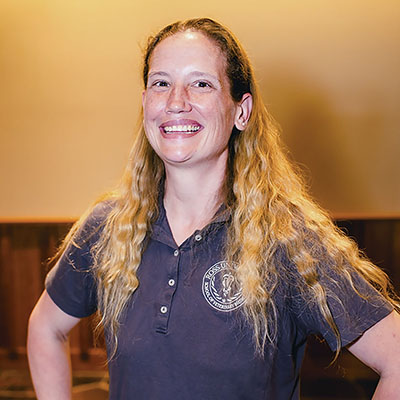
Dr. Katy Miller is the Director of Veterinary Services at BSM Partners. She previously served for 11 years as the Director of Dog and Cat Health and Nutrition for Mud Bay. Dr. Katy is a graduate of Ross University School of Veterinary Medicine, with her clinical year spent at Louisiana State School of Veterinary Medicine. She is a member of the American Veterinary Medical Association, Washington State Veterinary Medical Association, American Academy of Veterinary Nutrition, and the American Holistic Veterinary Medical Association.
Mud Bay Delivery offers free same-day delivery 🚚 when you order before 2 pm. From food and supplements to toys, treats, and even frozen items, we’ll bring it all right to your door. It’s available seven days a week, with free delivery on orders over $30.
🚚 🐈 🐕
Shop anytime at MudBay.com and let Mud Bay Delivery bring your pet’s go-to items straight to you. Click the link in our bio to place your order today.
#mudbay #healthypets #mudbaydelivery #pnw #pets

When the bone broth becomes the treat.
🦃 🐕 🦴 🧊
Turn Open Farm Homestead Turkey Bone Broth into easy, homemade frozen treats with the Messy Mutts Silicone Treat Mold this summer. Made from flexible BPA- and PVC-free, food-grade silicone, the molds feature convenient fill lines for portioning and a notched center that makes it easy to break larger treats into smaller pieces.
🧊 🌞
Pour in the collagen-rich bone broth, freeze, and serve. Made from humanely raised turkey bones and slow-simmered with pumpkin, carrot, and turmeric, it adds flavor, hydration, and enrichment to your dog’s day.
🧊 🌞
Minimal prep. Maximum tail wags. Shop Open Farm Homestead Turkey Bone Broth and the Messy Mutts Bake and Freeze Dog treat maker in-store or online at Mud Bay.
#mudbay #openfarm #messymutts #summer #staycool
Reduce. Reuse. Go for a walk.
♻️ 🐕
The Eco Collar and Leash Collection from RC Pets is made with REPREVE® webbing, created from 100% recycled plastic bottles. 🇨🇦 Proudly made in Vancouver, Canada, these collars and leashes are designed to be durable, comfortable, and ready for everyday adventures.
♻️ 🐕
And now you can shop RC Pets Eco Collar and Leashes for your dog in-store or online at Mud Bay.
#mudbay #dogwalk #dogs #rcpets #recycled
Starting today our friends at Fluff & Tuff are once again kicking off #IGiveAFluff to help put toys in the paws of shelter and rescue dogs who need them most.
🐾
And we want you to be a part of it, and it couldn’t be easier to participate!
⚽️
Here’s how it works:
📸 Snap a photo or a video of your dog with their favorite Fluff & Tuff toy.
📱 Share it on social media using #IGiveAFluff.
🐾 Fluff & Tuff donates a toy to a shelter or rescue dog.
🐕
Since 2015, with the support of pet parents like you and the generosity of Fluff & Tuff, over 22,000 toys have been donated to shelters and rescue dogs.
🐕
Want to participate, but need a Fluff & Tuff toy? Maybe a soccer ⚽️ ball for your pup with a certain soccer tournament kicking off this week? We’ve got you covered!
🐾
Stop by your local Mud Bay or visit us online. Click the link in our bio to learn more about #IGIVEAFLUFF
It’s never a bad time to chill. 🧘♀️ 🐾
🍨
Swell`s My Chill Time Premium Dog Gelato is made with functional ingredients like chamomile and passion flower tea, which help your pup stay cool, calm, and collected when summer activities makes thier day-to-day a little more stressful. Plus, it includes blackberries, 🥥 coconut milk, ginger, beets, and 🍯 🐝 honey, which are great for digestion and antioxidant support.
🐕
Swell Premium Dog Gelato is not only a tasty treat on a hot summer day, but it also helps keep your pup living their best life and staying CHILL. Shop My Chill Time from Swell in-store or online at Mud Bay this summer. 🌞
#mudbay #swelldoggelato #swell #dogs #chill
Adventure-ready and made for the water, the Ruffwear Float Coat helps keep your dog comfortable during every swim.
🌊 🛶 🐕 ☀️
The Float Coat offers a secure, telescoping neck closure that adjusts to fit a variety of dog sizes, while the lightweight foam panels support natural movement and buoyancy in the water, keeping them comfortable and safe.
🌊 🛶 🐕 ☀️
Plus, it offers a super handy, low-profile handle that makes it easy to lift your pup out of the water, and reflective accents that add extra visibility for long days at the lake, beach, or river.
🐾 🛍️
Bring your pup in-store or shop with us online for the Ruffwear Float coat today!
#mudbay #summer #adventures #ruffwear #doglife
🌞 🎆 🎉 Summer brings celebrations, late nights, travel and events that can leave your pets feeling uneasy.
🐈 🐕
Mud Bay is here to help, offering products that bring calm and comfort to your cat or dog when things get noisy.
🐈 🐕
We carry calming collars, tinctures, treats, and pheromones to help your pets handle everything summer brings—Shop Mud Bay in-store or online to find the right calmatives for your pets.
#mudbay #summer #keepcalm #healthypets #calming
Fluff & Tuff`s #IGIVEAFLUFF is Coming Soon!
🐾
Starting June 8th, National Best Friends Day, our friends at Fluff & Tuff are once again kicking off #IGiveAFluff to help put toys in the paws of shelter and rescue dogs who need them most.
🐾
And we want you to be a part of it, and it couldn`t be easier to participate!
Here`s how it works:
📸 Snap a photo of your dog with their favorite Fluff & Tuff toy.
📱 Share it on social media using #IGiveAFluff.
🐾 Fluff & Tuff donates a toy to a shelter or rescue dog.
🐾
Since 2015, with the support of pet parents like you and the generosity of Fluff & Tuff, over 22,000 toys have been donated to shelters and rescue dogs. Want to participate, but you need a Fluff & Tuff toy? Take a tip from Frank and stop by your local Mud Bay or visit us online. Click the link in our bio to learn more about #IGIVEAFLUFF
Canagan canned cat food is grain-free and made with your cat in mind, using high-quality protein from chicken, salmon, tuna, and more.
😻
It’s inspired by what cats are naturally built to eat, with a focus on animal protein and no artificial flavors, colors, or preservatives.
🐈
It’s also an easy way to add moisture to your cat’s routine—something many cats don’t get enough of—which can help support your feline friend with kidney and urinary-tract health.
🐈
🛍️ Shop Canagan Complete Cat Food in-store or online at Mud Bay.
Summer is coming, so be like Goose 🐕 and stay cool 😎 ❄️ on every outing with the Swamp Cooler Harness from Ruffwear.
🧊
Whether she’s out on a trail or enjoying a long walk or run, this harness is built for warm-weather adventures, offering cooling comfort and secure control in one breathable design.
🌞
Shop in-store or online at Mud Bay.
#mudbay #adventures #pnw #dog #summeriscoming
Mud Bay Memorial Day Hours ⏰
🐈 🐕
Today, Monday, May 25, all Mud Bay locations will be open from 10 am to 6 pm.
🐈 🐕
Delivery orders placed after 2 pm on Sunday will arrive on Tuesday. Store pickup and Instacart will still be available. 🐈 🐕 🚚
#mudbay #holidayhours #healthypets #mudbaydelivery #pets
🐾🌷The Ruffwear Front Range Flex Collection
🐕
Meet Harley, out in the tulip fields and ready for her next outing in the Front Range Flex Harness, Collar, and Leash.
🌷
Whether it’s a walk through the neighborhood or your next PNW adventure, this collection is designed for everyday use and changing conditions:
🐾
Lightweight and built to handle wet conditions
Easy to clean, just hand-wash and air-dry
Made with durable materials for every outing
🌷
Harley picked her look… now it’s your turn.
🐾
The Ruffwear Front Range Flex Collection is now available at Mud Bay. Shop in-store or online today!
#mudbay #ruffwear #adventure #dogwalk #pnwdogs


