

One of the perks of owning cats is the low likelihood of developing a flea infestation, especially if you keep your cat exclusively indoors (which we highly recommend). So the question is, how much flea prevention do cats really need?
The answer depends on your situation.
If you have lived in your current home for several years with no flea issues, your cat is exclusively indoors, and you don’t have dogs or other animals that frequently go outside, you probably don’t need to worry about fleas making their way to your cat. If you want to be extra cautious, you can use a flea comb periodically to check your cat for flea dirt—the clearest sign of a flea problem.
If you’ve moved into a new residence, especially an apartment complex, it might be a good idea to use some natural flea preventatives like vacuuming and using a natural flea repellent, until it’s clear that no flea eggs or larvae are lying dormant in your carpets or nooks and crannies, waiting to hatch from a previous infestation. Once you’re more established in your home with no flea issues, and if your cat is exclusively indoor and you don’t have dogs, it’s probably safe to return to keeping an eye out for excessive scratching or evidence of flea dirt.
If your cat ventures outside at all, even onto a deck or patio, or if you have dogs or other animals that are frequently in and out of your home, it’s good idea to invest in some preventative flea treatments. Vacuuming, frequently washing bedding, using natural flea repellents in your home and yard, and strengthening your cat’s skin through dietary changes and supplements are all great ways to prevent infestations naturally. Keep in mind, though, that even some natural products can be toxic to cats! Always makes sure the products you use are cat safe, and test new products in a small area to see how your cat will respond before you give them the full dose.

Natural remedies may not resolve flea infestations or offer enough protection for cats with FAD.
Preventing flea infestations with natural approaches is possible for many households. But natural remedies may not resolve some serious flea infestations, and they often don’t do enough to protect cats with Flea Allergy Dermatitis (FAD). If your cat has been diagnosed with FAD, or if you are already dealing with an infestation, you may want to consider using chemical pesticides. These flea products create a high level of protection and can be an essential part of controlling flea infestations or preventing allergic reactions when used on an as-needed basis.
It’s also important to remember that prescription flea treatments may also offer your cat the protection they need. Your veterinarian can discuss the options available and write a prescription when appropriate.
All About the Flea
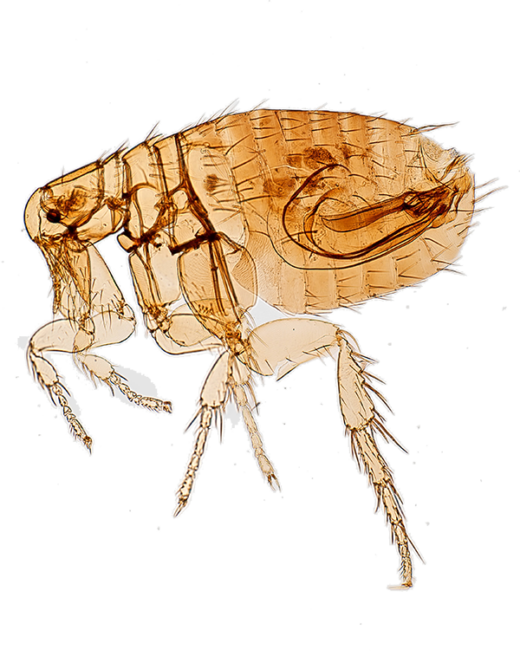
Fleas are a biting parasite that can cause symptoms ranging from itching and scratching to flea allergy dermatitis (FAD). The cat flea, Ctenocephalides felix, is the flea most commonly found in the US. Adult cat fleas live on cats, dogs, and other mammals, and consume small quantities of their host’s blood. Fleas can also transmit parasites (including tapeworms) and infectious diseases to cats and other mammals.
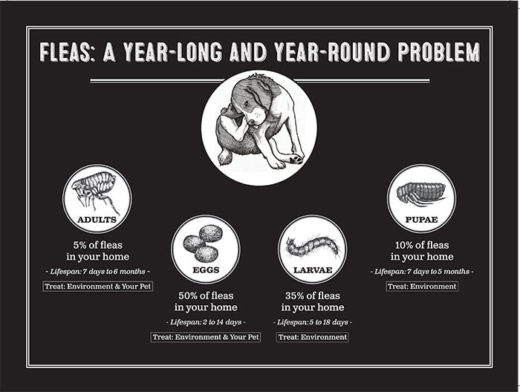
Adult female fleas lay up to 50 eggs per day; the eggs will then fall off your pet onto carpet, bedding, soil and other surfaces. Flea eggs hatch into larvae between two days to two weeks later, if conditions are right. If the environment is too cold, flea eggs can stay alive and dormant for up to a year.
Flea larvae eat organic matter in their environment, such as dust, which is why vacuuming can be very effective for flea control. Five to 18 days later, they spin a cocoon to form a pupa. Larvae can stay in the pupa stage for a year if conditions are warm enough. In the Pacific Northwest, our typically mild winters mean we don’t get the deep, sustained frost necessary to kill fleas in all of their life stages. That means fleas are actually a year-round problem here, with spring and summer offering particularly pronounced flea seasons.

Identifying Fleas and Flea Allergy Dermatitis (FAD)
It can be easier to notice a flea infestation on dogs than it is on cats. Dogs have mostly hairless bellies, and their fur is often not as thick as cats’, so it can be easier to see actual adult fleas running around. The most common way to identify a flea problem on your cat is to find evidence of flea dirt—the polite way to say flea poop! If your cat seems to be mysteriously accumulating more dirt than usual, especially around the base of the tail or the neck and head, there’s a good chance they have fleas. Run a flea comb through their coat and see what you come up with.
Flea allergy dermatitis is an allergic reaction to flea saliva. A cat with FAD will have an intense reaction to even a single flea bite, and will typically lick, chew and scratch the affected site furiously, often to the point of hair loss and the development of open sores and scabs that are at risk of secondary bacterial infection. The reaction to a single flea bite can last up to two weeks.
Due to the severe, prolonged allergic reaction caused by FAD, many cat owners decide that a cat’s severe reactions to flea bites outweigh the potentially negative impacts of chemical pesticide-containing flea treatments. Routinely applying flea treatments to all pets in a household protects the health and comfort of cats with FAD.
Natural Flea Preventation and Elimination
Vacuum, vacuum, vacuum. One of the most effective ways to interrupt the flea life cycle is to regularly vacuum carpets, upholstery, and floors, especially in areas that your cat spends the most time. Regular cleaning removes both fleas and potential flea food from the environment.
Wash and dry bedding, clothing, and toys. Soap and water in the washer drown adult fleas, and high heat in the dryer kills fleas in all stages of life. After washing, spray bedding using the same natural repellent you sprayed on your cat.
Bathe your cat if you have identified that fleas are present. Bathing drowns adult fleas and helps remove eggs, and a flea repellent shampoo will help prevent adult fleas from hopping back on as soon as your cat is dry. If your cat is at a higher risk for getting fleas, bathing them once a month with a flea repellent shampoo can be a good idea. Double-check the safety of any flea and tick products before using it on cats and ALWAYS do a small spot test on your pet to ensure there is no chance of reaction.


Use a flea comb to see how flea-free (or not) your cat is. If fleas are present, a flea comb physically removes adult fleas from your cat—drown the fleas you catch in your comb by dipping it in warm, soapy water.
Use a natural flea repellent. During flea season, it can be a good idea to use a flea repellent that includes neem, geraniol, or tea tree oil every two or three days or as indicated on the label. Double-check the safety of any flea and tick products before using it on cats and ALWAYS do a small spot test on your pet to ensure there is no chance of reaction. All the products we carry have been tested and deemed safe, but some cats can still have a negative reaction to the oils used to make them.
Strengthen your cat’s skin with dietary changes or supplements. By helping your cat’s skin and coat become as strong and as healthy as possible, you’ll make your cat a less attractive host for fleas. Consider switching to a raw diet or other diet designed specifically for skin and coat support. Supplementing your cat’s diet with essential fatty acids and digestive enzymes are also great ways to strengthen and support skin and coat health while increasing the digestibility of essential nutrients.
When to Use a Chemical Pesticide
If your cat has been diagnosed with FAD, we recommend strongly considering a chemical flea treatment because of the discomfort your pet will feel after only a single bite. If your cat is a healthy adult cat without any health or age concerns, you might consider an over-the-counter product. For cats with health concerns, we strongly recommend talking to your veterinarian before using any product, even if it is an over-the-counter solution.
While flea allergy dermatitis often requires an aggressive flea treatment solution, chemical flea treatments may also make sense for pets without this condition. In particular, in your cat is at higher risk of getting fleas or you have an existing heavy flea infestation in your home, you may want to consider using a chemical treatment, even if you’d prefer to only use these products temporarily.

When to Talk to Your Veterinarian About Flea Prevention
For many years, traditional topical flea treatments were only available by prescription. This precaution allowed cat owners to discuss the pros and cons of each particular treatment with your veterinarian. While over-the-counter products are safe for most healthy, adult cats, Mud Bay still recommends having a conversation with your veterinarian before using over-the-counter topical pesticides or other flea preventatives if your pet has any health concerns or isn’t an adult animal.
Prescription oral flea preventatives can also offer month-long protection in a simple pill form. If you think this might be the best option for your household, consult your cat’s veterinarian for more information.
Your veterinarian can also better explain how the flea treatments you choose can affect all the animals in your household and any health conditions that might make your cat more sensitive to flea treatments. Also, if you ever see any side effects after applying any type of flea treatment, you should call your veterinarian immediately because some reactions can be life threatening.