
Skin and coat health is one of the most important areas in a cat’s overall wellness. At Mud Bay, we look at two complementary ways of helping cats look and feel their best: nutrition and grooming.
To put it very simply, nutrition primarily concerns what takes place inside the cat to affect their skin and coat, and grooming mainly deals with what happens on the outside of the cat. An example of nutrition might be giving your cat a supplement—such as fish oil—to help their coat stay shiny and healthy. Similarly, an example of grooming might be the frequency and type of brushing you do to keep your cat’s coat free from matting.
In this discussion, let’s focus on the benefits—for both you and your cat—of a good grooming regimen.
Why is Grooming Important?
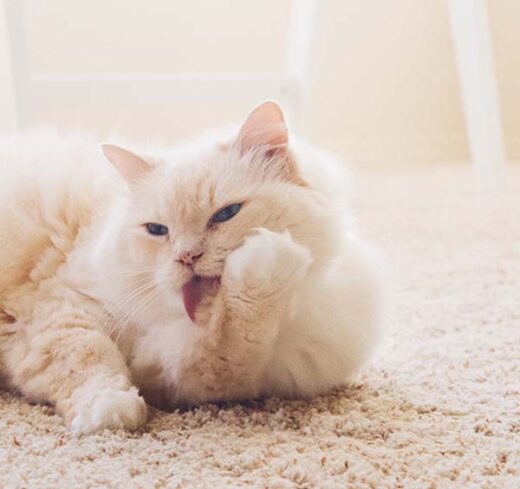
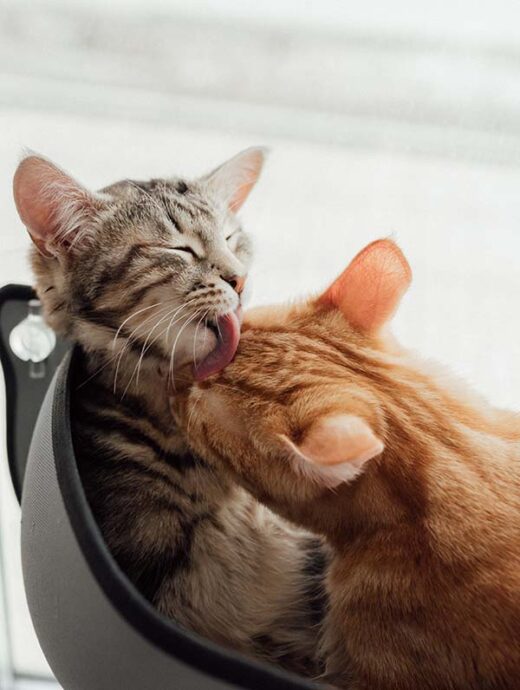
Cats, just like most other animals, need to groom themselves to keep clean. For cats, though, the grooming process is about much more than just cleanliness—grooming also is an important part of their daily cycle, a way to engage socially with other cats (or humans) and a way to keep their emotional health on an even keel.
Let’s take a look at the daily cycle for most cats. Cats are descended from hunters, and many cats today still partake of the hunting lifestyle. For those cats, the daily sequence of events is very similar from day-to-day: Around dawn the cat begins hunting, the cat expends a great deal of energy hunting, the cats eats, after eating, the cat engages in an extensive grooming session.
This grooming session allows the cat not only to clean themselves, but also to relax from the energy spent during hunting. Grooming allows the cat to get ready for sleep, which the cat typically will do until dusk, when the process repeats itself: hunt; eat; groom; and sleep.
That being said, grooming is a holistic part of cat care that encompasses things as simple as brushing a cat’s fur or trimming their nails to caring for skin issues or keeping their ears clean to avoid infections.
And, one of the most important parts of regular grooming for your cat is it allows for close observation—so you or a groomer can spot issues or changes in a cat’s appearance that may be early signs of a need to visit a veterinarian.

What Grooming Does Your Cat Need?
Your cat’s coat is one of the most important parts of their overall health. Aside from being wonderful to pet, your cat’s coat provides the skin protection from sun, water, dirt and everything else which could cause a health issue. Also, it is important to remember that a cat’s coat is what helps them regulate their body temperature in heat and cold. Thus, it’s really important to keep your cat’s coat clean and healthy.
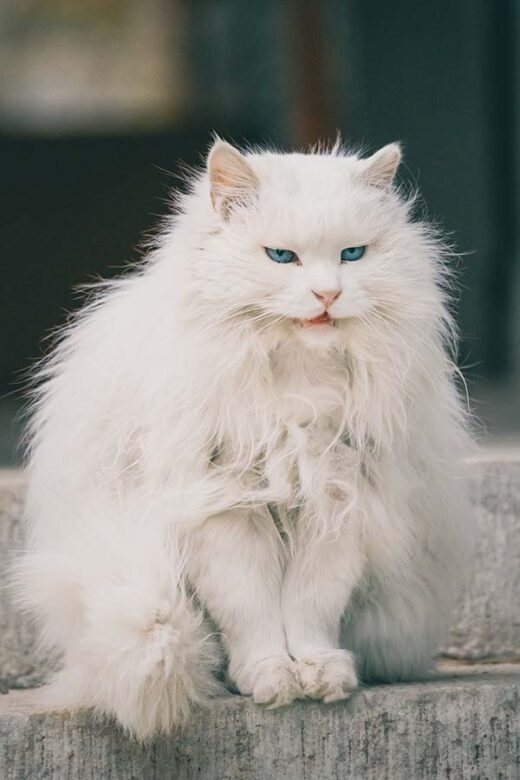
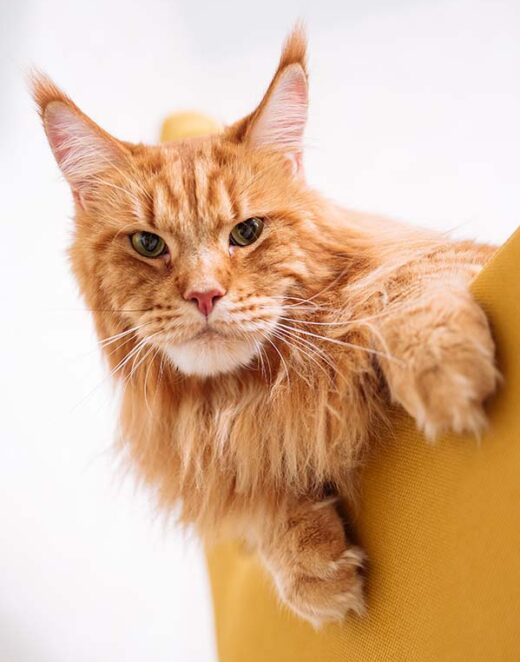
There are three basic coat types for cats: short hair, long hair, and hairless. Short-hair cats are those with hair that is 2” or shorter. Long-haired cats have hair between 2-6” and hairless cats have no hair covering their skin.
Regardless of the cat’s coat type, there are two main areas of grooming involved: brushing and bathing. Both serve important needs in caring for the cat’s coat.
Why You Should Brush Your Cat Regularly
Regular brushing is critical in helping your cat’s coat maintain proper health. In addition to removing foreign objects your cat may have picked up on their adventures—dirt, leaves and other debris—brushing also helps reduce the risk of two issues that can affect cats—matting and hairballs.
Unbrushed fur, especially on cats with longer coats, can lead to tangles, and tangles can lead to matting. Not only is matting uncomfortable for your cat because it disrupts the regular activity of the coat, but it also can cause the cat’s skin to become stuck and painfully pulled. It is crucial, then, to carefully brush out all tangles before they turn to mats. If your cat does develop matted fur, try brushing it out very carefully, but it may be necessary to trim the matted hair with scissors or clippers. Extreme care must be taken to avoid cutting any skin which may be caught in the matted hair. If you are not comfortable dealing with severely tangled or matted fur, it is a good idea to contact your vet or groomer for help.
You should generally brush your cat regularly, to help keep their coat looking and feeling fresh. If you have a long-haired cat, they should be brushed several times a week. Adult short-hair cats who are healthy do not need to be brushed every week, but you can brush them to remove loose fur and also to enjoy the bonding experience.
Lastly, hairless cats certainly do not need brushing, but they may actually require more grooming than those with a full fur coat. Because they do not have a coat to protect against UV rays and to also help disperse oils on the skin, they may be prone to developing skin conditions if not adequately cared for regularly. Before allowing a hairless cat outside, make sure to apply plenty of sunscreen to protect against UV rays make sure to dress them in sun-protective clothing or try to limit their time outdoors on sunny days.

Even Cats Will Need Baths Sometimes
Bathing, along with brushing, is one of the cornerstones of the grooming process. While it is true that cats certainly seem more fastidious about grooming than dogs, cats—especially those who cannot self-groom or do not have hair—need regular baths.
Similar to brushing, one of the keys to success is to make bath time a positive experience for both you and your cat. While some cats are not comfortable with the bathing process, there are steps you can take to help your cat feel more at ease.
One way is to try and start your cat getting used to baths at a young age. Also, many cats do not like to be in deeper water or have the water running. I, so instead of placing your cat into an already filled tub or container, put your cat in firstan empty tub and use a separate pre-filled container of water to fill a cup and gently pour the water over your cat. It’s also a good idea to put a towel down at the bottom of the tub so your cat can find some purchase to help make them feel safer. Then, slowly add water, including gradually pouring from a cup over your cat, so they can ease into the experience.
For hairless cats, try and give them a bath every two weeks, with a hydrating shampoo. This will help remove oils, sweat and dander. Also, finish by applying a hydrating oil to help keep the skin moisturized.
Finally, it is important—with all cats, but especially with longer-haired varieties—to make sure they are well dried after bathing to avoid potential tangles and matting.
How to Keep Your Cat's Ears Clean
You should examine your cat’s ears at least once a week.
Here is a good way to clean a cat’s ears:
A good rule is to only clean as far as you can see easily. IFf there seems to be a build up of wax or debris further in the ear canal, especially if you’re noticing a foul smell, debris that looks like coffee grounds, or redness and inflammation, make an appointment to see your veterinarian.
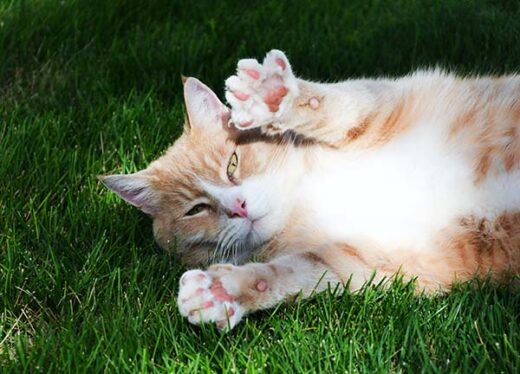
Trimming Your Cat's Nails
Most healthy, adult cats do not need their nails cut, but sometimes—if, for example, the claws are not retracting fully, or there are issues with scratching items such as furniture—a trim may be in order.
To trim a cat’s claws:

When to See a Veterinarian
Grooming is an important aspect of your cat’s health care, and often is a good way to preemptively discover any potential issues. A critical part of grooming is observation. Certainly, if your cat seems to be in any discomfort before, during or after a grooming session, it is time to contact your vet.
Lastly, grooming is an ongoing activity that will help your cat maintain consistent levels of cleanliness and health. Whether you and your cat share the experience, or you utilize the services of a groomer—or even a hybrid of both—the positive benefits of a regular grooming regimen for your cat’s skin and coat will contribute to both of you enjoying many healthy, happy years together.