
Skin and coat health is one of the most important areas in a dog’s overall wellness. The skin is a mammal’s largest organ, and to function well, it needs both nutritional support and species-appropriate grooming.
To put it very simply, a carefully chosen diet provides the nutritional building blocks to create healthy skin and coat cells, but grooming cares for the outside of your dog. From brushing to prevent matting and bathing to prevent acne, a good grooming routine can help keep your dog comfortable. Pair regular grooming care with supplements and a diet that supports a healthy skin and coat—fish oil is a popular supplement for that purpose—and you can make significant changes in the appearance and comfort of your dog.
You probably already know the importance of a balanced diet for your dog, so let’s focus on the benefits—for both you and your dog—of a good grooming regimen.
Why is Dog Grooming Important?
The truth is that dogs, wonderfully, come in so many different varieties that there is no one-size-fits-all answer to grooming. Dogs who shed their fur—such as German shepherds—may need to be brushed more often than dogs who don’t—say, poodles—but poodles also need to have their coat trimmed regularly while the shepherds do not.
That being said, grooming is a holistic part of dog care that encompasses things as simple as brushing tangles out of a dog’s fur or trimming their nails to caring for skin issues or keeping their ears clean to avoid infections.
And, one of the most important parts of regular grooming for your dog is it allows for close observation—so you or a groomer can spot issues or changes in a dog’s appearance that may be early signs of a need to visit a veterinarian.

What Grooming Does Your Dog Need?
Your dog’s coat is one of the most important parts of their overall health. Aside from being wonderful to pet, your dog’s coat provides the skin protection from sun, water, dirt and everything else which could cause a health issue. Also, it is important to remember that a dog’s coat is what helps them regulate their body temperature in heat and cold. Thus, it’s really important to keep your dog’s coat clean and healthy.
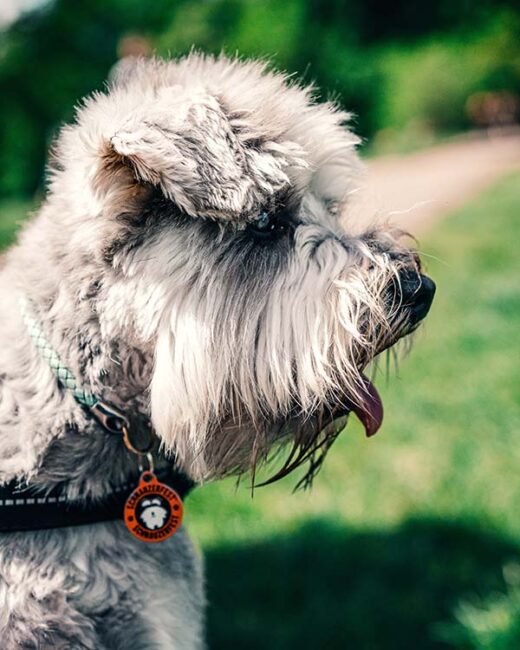
Dogs have endless variations of coat types—long coats, short coats, curly coats and even no coat (hairless). Some dogs have one coat (called the topcoat), and some dogs have two—the topcoat and the undercoat. The topcoat is what we see when we look at dogs. It is there primarily to protect the dog’s skin from irritants and injury. Dogs with only topcoats include poodles, schnauzers and most chihuahuas.
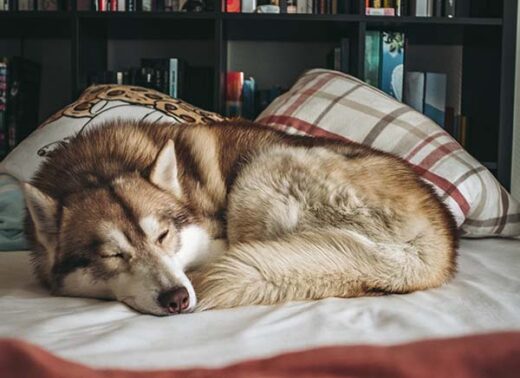
Dogs with an undercoat—Shepherds, Huskies, Collies—have a second coat of fur underneath the topcoat. This hair is softer and shorter than that of the topcoat. The primary purpose of the undercoat is to help regulate to the dog’s temperature—basically acting as “insulation.” Dogs with both are often referred to as “double coated.”
Regardless of the dog’s coat type, there are two main areas of grooming involved: brushing and bathing. Both serve important needs in caring for the dog’s coat.
The Benefits of Brushing Your Dog
Regular brushing is critical in helping your dog’s coat maintain proper health. In addition to removing foreign objects your dog may have picked up on their adventures—dirt, sticks, leaves and other debris—brushing also helps distribute the natural oils throughout your dog’s fur, leading to that shiny look of a healthy coat.
As well, if your dog has an undercoat, brushing helps to remove that hair, which not only keeps it from getting compacted on your dog, but also cuts down on shedding going everywhere in your home!
Lasty—and extremely important—brushing helps keep your dog’s fur from matting. Unbrushed fur, especially on dogs with longer coats, can lead to tangles, and tangles can lead to matting. Not only is matting uncomfortable for your dog because it disrupts the regular activity of the coat, but it also can cause the dog’s skin to become stuck and painfully pulled. It is crucial, then, to carefully brush out all tangles before they turn to mats. If your dog does develop matted fur, try brushing it out very carefully, but it may be necessary to trim the matted hair with scissors or clippers. Extreme care must be taken to avoid cutting any skin which may be caught in the matted hair. If you are not comfortable dealing with severely tangled or matted fur, it is a good idea to contact your vet or groomer for help.
You should generally brush your dog several times a week, to help keep their coat looking and feeling fresh. If you have a dog that sheds or has fur that tangles easily, you may want to brush more frequently, to collect loose hair before it is deposited various places around your home and keep tangles in check. Also, there are certain times of the year when dogs shed more than usual—such as the spring, when they are shedding their winter coat.
For most dogs with medium to long hair, one type of brush will suffice.
When it comes to dogs with an undercoat or hair that is kept long, adding a comb with wider spaced teeth to your routine can really help to work through tangles that do occur.
There are also many different brushing implements and choices—rubber curry brushes for dogs who are sensitive to brushing and have shorter hair, or pin or bristle brushes that resemble a typical human brush for folks who brush regularly—that are available. The two important things to keep in mind when selecting brushes for your dog are what you want to accomplish and how much you and your dog enjoy the process. Brushing should be fun! It is extra time for you and your dog to bond, and you both should make it a good time for all.
All Dogs Need a Bath Once in a While
Bathing, along with brushing, is one of the cornerstones of the grooming process. Even if your dog is primarily an indoor pooch who rarely gets dirty or stinky, bathing is a critical part of maintaining the health of your dog’s coat.
Similar to brushing, one of the keys to success is to make bath time a positive experience for both you and your dog. While some dogs are not comfortable with the bathing process, there are steps you can take to help your dog feel more at ease.
Giving your dog lots of encouragement and treat rewards—just for standing in a tub at the start—can go a long way toward making doggie bath time something both of you look forward to as a fun event.
Because of all the variables involved—breed, coat composition, individual lifestyle choices—there is no one correct answer to how frequently to bathe a dog. A good rule of thumb is once a month, with increased or decreased frequency based on specific circumstances (for example, more often if your dog has been romping in the mud or if your dog might have been exposed to some irritants). Ideally, you would not bathe more than once every two weeks, as this can strip the coat of natural oils. It was previously thought that bathing a dog “too frequently” would cause their coat to lose essential oils, dry out and ultimately lead to skin irritation. Most dogs can withstand frequent bathing, just be sure to utilize a conditioning shampoo and spray or rinse.
The decision on how frequently to bathe your dog is up to you, but certainly try and get a bath in once per month, just to keep them clean and happy.
How to Clean Ears and Check for Infections
If you thought dogs had many more types of coats than one might think, just consider all the shapes and sizes of dog ears! Big ears, pointy ears, floppy ears, round ears—the list goes on and on.
The good news when it comes to grooming the ears is a “less-is-more” approach is perfectly valid. It is extremely important to monitor your dog’s ears, especially for two things: appearance and odor.
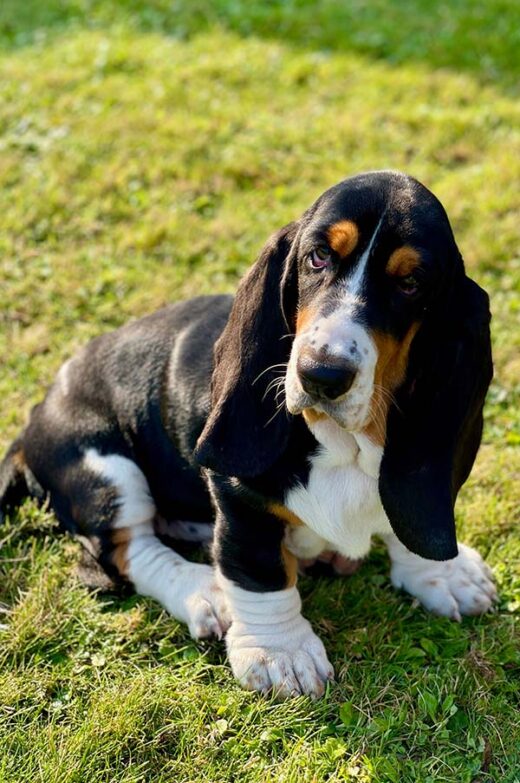
If your dog’s ears look clean and have no bad smell, they are probably fine. Certainly, different types of ears have different types of challenges in staying clean. Large, open ears can have objects or liquids more easily enter the ear canal, while huge, floppy ears can be a collection place for dirt and debris which could lead to an infection.
That’s why it’s important to conduct regular inspections of your dog’s ears. Look for anything that seems out of the ordinary—for example, an excessive build-up of dirt or wax. And don’t be afraid to take a whiff of the ears as well. Healthy ears should not smell—especially a stinky odor.
If you notice a consistent or large amount of debris or wax in your dog’s ears or a bad smell, it usually means it is time for a trip to the vet. Ear infections are very common in dogs, and typically easily treated if caught early.
One important note—never stick anything into your dog’s ear canal. You run the risk of seriously injuring your dog and possibly impacting their hearing for life.
In addition to a monthly (or weekly) ear cleaning, if a dog’s ears get really wet (for example, after swimming, bathing or soaking rain), you will want to clean them out with an ear wipe. Again, if there seems to be a build up of wax or debris further in the ear canal, especially accompanied by a foul smell and redness or inflammation, make an appointment to see your veterinarian.
Making Nail Trims Part of the Dog Grooming Process
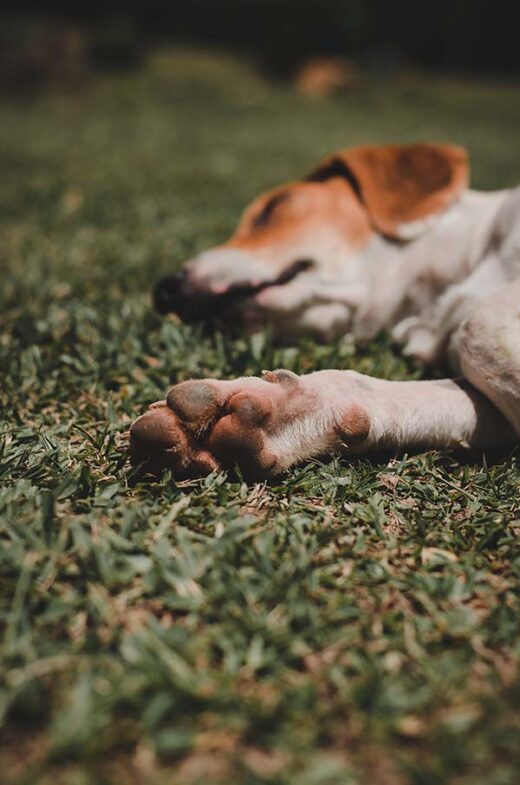
Your dog’s nails are an important area that is often overlooked in a regular grooming routine. Many people think that normal activity will wear down the nails enough to make nail trims optional or unneeded.
Alas, that is often incorrect. Even dogs who get significant exercise have a need for having their nails trimmed.
A dog’s nails should be trimmed at least once a month. Basically, nails should be trimmed so that they do not touch the ground when your dog is standing. Another way to measure if it is time for your dog to have a nail trim is if you can hear their nails clicking on the floor or pavement.
Clipping your dog’s nails is certainly something you can do yourself, either as part of a regular grooming session or on its own. Many people are not comfortable trimming their dog’s nails—either because the dog is too wiggly or uncooperative, or they are worried about accidentally clipping too far and causing the dog pain by cutting into the quick.
If you are uncomfortable trimming your dog’s nails, contact a groomer or veterinarian to handle the procedure. They will be happy to help, and it is much better than the alternative of letting your dog’s nails get too long and potentially causing health and posture problems.
Should I Groom My Dog, or Should I Use a Groomer?
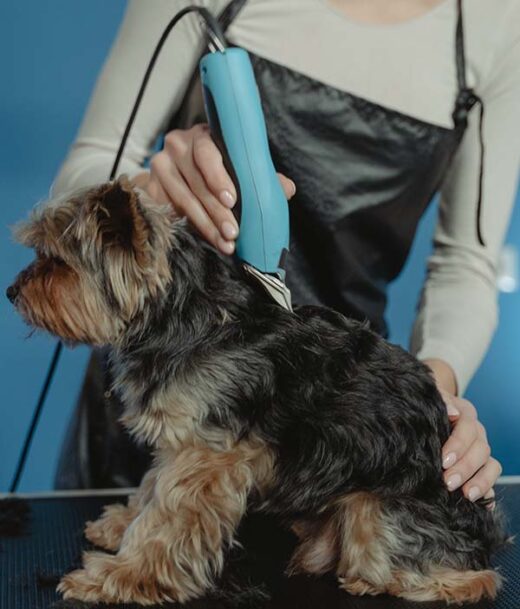
This is an important question to consider, and there are many reasons for either choice. The primary consideration should be what are your goals for your dog, and how can those best be achieved? For some, grooming is a way to further establish closeness with their dog and enrich that human-animal bond—some dogs love to be brushed and will enjoy the experience of having their owner pay such close attention to them. For others, their dog’s anxiety around bathing or nail trims means perhaps a trip to an experienced groomer would be a good choice.
Of course, that doesn’t have to be an all-or-nothing proposition, either. Your dog may enjoy being bathed and brushed by you, and have a nail trim or a haircut at the groomer. Ultimately, you are best equipped to decide what works best for your dog’s situation.
If you do elect to groom your dog, consult these links for step-by-step instructions to make the experience rewarding for you and your dog.
try this: A Short Guide to Grooming for Your Dog's Skin and Coat Heatlh
When to See a Veterinarian
Grooming is an important aspect of your dog’s health care, and often is a good way to preemptively tackle any issues which may be lurking under the surface. A critical part of grooming is observation. Certainly, if your dog seems to be in any discomfort before, during or after a grooming session, it is time to contact your vet.
There are also other signs close observation can reveal that could indicate a visit to the vet is called for: reddened skin, excessive flaking of skin or a foul odor coming from the ears are all indicators that are readily noticeable which should trigger contacting your veterinarian.
Lastly, grooming is an ongoing activity that will help your dog maintain consistent levels of cleanliness and health. Whether you and your dog share the experience, or you utilize the services of a groomer—or even a hybrid of both—the positive benefits of a regular grooming regimen for your dog’s skin and coat will contribute to both of you enjoying many healthy, happy years together.