
  • Home
  • Healthy Cats
    • Cat Food
    • Cat Litter & Boxes
    • Cat Toys
    • Cat Treats
    • Supplements
    • Supplies
    • Cat Brands We Carry
    • What’s New at Mud Bay
    • The Best Diet for Your Cat
    • Choosing a Healthy Litter
    • Dental Health for Cats
    • Healthy Weight & Exercise for Healthy Cats
    • Health Problems in Cats
    • Kitten Care: Feeding and Bonding with Your New Kitten
    • The Aging Cat
  • Healthy Dogs
    • Dog Food
    • Dog Toys
    • Treats & Chews
    • Supplements
    • Supplies
    • Dog Brands We Carry
    • What’s New at Mud Bay
    • The Best Diet for Your Dog
    • Dental Health for Dogs
    • Healthy Weight & Exercise for Healthy Dogs
    • Health Problems in Dogs
    • All About Puppies: Caring, Feeding, and Socializing Your New Dog
    • The Aging Dog
  • Our Relationships
    • Manufacturing Partnerships
  • Store Locations
  • Gift Cards
  • Contact Us – Old Smartsheet
  • Careers
  • About Us
  • Mud Bay Events
Mud Bay Logo
  • Return to Online Store
  • Healthy Cats

    About Our Products

    • Cat Food
    • Cat Litter & Boxes
    • Cat Toys
    • Cat Treats
    • Supplements
    • Supplies
    • Brands We Carry
    • Shop All Cat Products

    Advice for Cats

    • The Best Diet for Your Cat
    • Choosing a Healthy Litter
    • Dental Health for Cats
    • Healthy Weight & Exercise for Healthy Cats
    • Health Problems in Cats
    • The Aging Cat
    • Kitten Care: Feeding and Bonding with Your New Kitten
  • Healthy Dogs

    About Our Products

    • Dog Food
    • Dog Toys
    • Treats & Chews
    • Supplements
    • Supplies
    • Brands We Carry
    • Shop All Dog Products

    Advice for Dogs

    • The Best Diet for Your Dog
    • Dental Health for Dogs
    • Healthy Weight & Exercise for Healthy Dogs
    • Health Problems in Dogs
    • The Aging Dog
    • All About Puppies: Caring, Feeding, and Socializing Your New Dog
  • About Us

    Our Relationships

    • Manufacturing Partnerships

    About Mud Bay

    • Our History
    • Made With Mud Bay
    • Certified Program
  • Blog
  • Store Locations
  • Gift Cards
  • Careers
  • Contact Us

Mud Bay > Health Problems in Dogs > How to Help Dogs with Allergies, Food Intolerances, and Other Itchy Skin Issues

How to Help Dogs with Allergies, Food Intolerances, and Other Itchy Skin Issues

It's Important to Look for an Underlying Reason for Skin Inflammation

It might start with a chronic ear infection, red skin, or an itch that just won’t quit. But all these symptoms are pointing to one important thing–your dog has skin problems. Whether the cause is fleas, food intolerances, allergies or other issues, it’s important to look for an underlying reason for this skin inflammation before it becomes a serious concern. If you wait to find a solution, your dog could develop hot spots, hair loss or other significant issues. Plus, you probably will have difficulty enjoying quality time with your dog if they’re always scratching themselves.


Check for Fleas, and Then Check Again

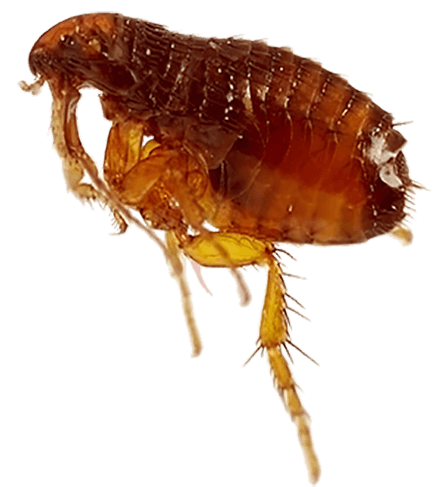
By far the most common cause of skin issues in dogs are fleas. These tricky little insects are easy to overlook but can cause flea allergy dermatitis (FAD). Essentially, when your dog has FAD, they’re just extremely sensitive to flea bites. This hypersensitive response causes them to immediately bite and scratch where they were bitten by fleas. Then, about 24 hours after the initial bite, you’ll notice that they’ll show evidence of a skin allergy. Skin redness, bumps, scabs and general itchiness may all occur. These symptoms can be severe and persistent for up to 2 weeks AFTER the flea bite and the flea may be long gone. Because there is a good chance you may not see the flea anymore most veterinarians will want to treat for fleas first to rule it out as a cause for your dog’s itchy skin.

FAD might have a typical roster of symptoms, but there’s also a chance that your dog may only have a mild response. Some veterinarians report that dogs that itch only around their groin, tail base, and armpits usually have fleas. So, if you take your dog to your veterinarian, they’ll probably recommend a flea treatment to rule out any possibility of FAD.

Some types of skin infections can also masquerade as an allergy or food intolerance. If you’re unsure what you’re seeing, consider scheduling a yearly physical with your veterinarian. They can quickly spot impetigo, mange or other skin problems that may be causing your dog to itch.
try this: How to Prevent and Treat Fleas on Your Dog


Boost Your Dog’s Skin Health and Immune System

No matter what the cause, skin problems can be hard on your dog. So, while you’re searching for the root cause, it’s a good idea to make sure your dog’s skin and immune system are getting the support they need. That support starts with the best possible diet you can afford to feed your dog, but there are also a few other categories of supplements that can help.

To improve your dog’s skin and coat, look for fatty acid supplements, such as salmon or pollock oil. This healthy source of fat is an excellent anti-inflammatory that can reduce the red, hot, itchy skin and will also help your dog’s overall health.

To keep your dog’s immune system in good working order look into digestive supplements, since almost 80% of the immune system is in your dog’s intestinal tract.  Consider adding prebiotics to their daily meals to feed the healthy bacteria in their gut. Digestive enzymes can also improve their immune system and overall health by making the nutrients in their food easier to process.

Other skin supporting compounds include turmeric, biotin, zinc, nettle, quercetin, medicinal mushrooms (cordyceps, reishi, shiitake, kind trumpet) and coconut oil.


Eliminate Any Food Allergies or Food Sensitivities

Itchy skin can also be a sign that your dog’s diet isn’t working for them. True food allergies are incredibly rare in dogs, but certain foods can trigger undesirable symptoms. If your dog has itchy skin, vomiting, diarrhea, flatulence, skin inflammation, chronic ear infections or hair loss, they’re probably not allergic to a specific food, but they do have a food sensitivity. This food sensitivity, also called a food intolerance, may be difficult to identify. But once you do determine your dog’s trigger foods, their symptoms should stop.

Even if your dog hasn’t had any noticeable food allergies in the past, that doesn’t mean that they couldn’t have developed a food sensitivity. Allergies and sensitivities are cumulative. As your dog eats that chicken, beef or other food they’re sensitive to, they become a little more sensitive to its effects each time. Then, suddenly–bam–your dog’s a scratching, miserable mess.

Food sensitivities are less common than flea or environmental allergies, but they can cause severe symptoms that can leave your dog miserable. Changing diets should stop any undesirable skin issues in less than three months if food is the cause.

What About Salmon Oil?

Salmon oil offers numerous health benefits to dogs, but what happens if your dog has a food sensitivity to fish? Well, in most cases, you can still feed the salmon oil. Food sensitivities are triggered by the protein, not the fat. High-quality supplements take care to remove any proteins and use only the fats, making it safe for your dog to consume. However, if you want to conduct a true elimination diet, avoid salmon oil and then slowly reintroduce it to make sure that your chosen supplement doesn’t trigger itchy skin.


Five Steps to Eliminate Canine Food Sensitivities

It can be tough to identify trigger foods, but once you do your dog should feel much better. The key to identifying these foods is consistency. It’s important to eliminate any source of protein that could trigger a reaction–so plan on eliminating chews, treats, table scraps and other consumable goodies that could expose your dog to the food causing the sensitivity.

Step 1: Find a novel protein to feed your dog.

Look for a protein source that your dog has never eaten before and find a food that contains only that protein. You should see a positive change in your dog after a few weeks, although it may take up to twelve weeks for them to completely feel better.

We recommend that if you try two novel proteins–and neither provide relief to your dog–that you stop changing your dog’s diet and make an appointment with their veterinarian. If you feed your dog every readily available protein, it makes it difficult for the veterinarian to guide you through an elimination diet. Dogs that have eaten every available protein source may need a hydrolyzed protein diet to help balance their system. Currently, these diets are only available through a veterinarian and cost-prohibitive for most people.


Step 2: Consider feeding a raw food diet to eliminate other allergens.

Raw diets contain active enzymes that make it easier to digest, plus probiotics which help support your dog’s immune system. There’s also phytochemicals, antioxidants, and essential fatty acids which can also support your dog’s organs and skin. But feeding raw requires a large commitment–it’s more expensive than most kibbles, and you’ll need to follow safe food handling processes.

try this: How to Feed Your Dog Freeze-Dried-Air-Dried and Dehydrated Foods

try this: How to Feed Your Dog Frozen Raw Food


Step 3: Go grain-free if you can’t go raw.

Grains aren’t a necessary component of your dog’s diet, so you can safely cut them out to reduce their exposure to trigger foods. Grain-free canned food is a great option, but there are also many grain-free kibbles that don’t contain any cereal grains.


Step 4: Try a limited ingredient dog food.

Even if raw or grain-free food options don’t work for you or your dog, you can still try a limited ingredient dog food to reduce any possible food sensitivity triggers. The best dog foods will have a single protein source and a single grain source that should be completely novel to your dog.

For most dogs, a limited ingredient dog food found at any pet retailer should be fine. But for some dogs with true allergies, their veterinarians may recommend a limited ingredient dog food only available through their office. It’s important to know that these veterinarian-recommended dog foods are specially made to avoid cross-contamination and fats that could trigger an allergic reaction in your dog.

Why Does My Veterinarian Want Me to Buy a Prescription LID formula?

For most dogs with food sensitivities, any dog food that doesn’t have the problematic ingredient on the packaging will work to decrease reactions. Many people choose a LID formula to make this process simpler. But if your veterinarian wants you to buy a prescription LID formula, it’s highly likely that your dog has a sensitivity or allergy to even small amounts of a specific food. And many dog food plants process several flavors with different ingredients, so cross contamination is possible.

So, if your veterinarian recommends a prescription formula, they probably have excellent reasons for doing so. That high cost per bag pays for the facility and machines to be thoroughly cleaned after every batch, so cross-contamination fears are eliminated.


Step 5: Make sure your treat choices follow the rest of your dog’s diet.

During the first 12 weeks of any food switch, try to eliminate treats from your dog’s diet. When you keep what they’re eating simple, it’s easier to identify if the diet change is working. Chews also fall into this category.

Allergens may also lurk in the treats you give your dog, so it’s important that you switch all your treats to the same novel protein when you switch foods. Dried or freeze-dried meat-based treats are usually the simplest to use because of their limited ingredient list. If you’re feeding a limited-ingredient kibble, many dog food manufacturers make biscuits with a recipe that’s shares the same ingredients as the kibble. Those types of treats would also be an option, or you can treat your dog with pieces of their kibble, just be sure to count that as part of their usual meals.

When adding chews to your dog’s diet, read the ingredient label carefully. It’s not uncommon for a chew made from one type of protein, such as pork, to use another type of fat, such as chicken, as a flavor enhancer. Check the chew’s label for more information and skip any chew that uses the term animal fat to explain its contents.

If you do find out that your dog has a food allergy, it’s likely that they’re only allergic to one or possibly two things. Multiple food allergies do occur, but they’re still rare. You might also have to make a diet switch more than one time over the course of your dog’s life. Although it’s uncommon, your dog’s delicate immune system could eventually become allergic to that lovely bison dog food you’ve found as a substitute for their beef-based food. Luckily, with the amount of different animal proteins available, you’ll probably be able to find them a venison, duck or kangaroo food they’ll like just as well.

What’s Hydrolyzed Protein?

Every protein source is made of amino acids. Hydrolyzed proteins are created by breaking the bonds between different amino acids and separating them into just the amino acids themselves. Because hydrolyzed proteins are so small, the body’s immune system doesn’t recognize them as a protein and doesn’t generate an immune response. Hydrolyzed protein diets are highly processed and very expensive, which makes them a poor dietary fit for many dogs. However, for dogs with serious food sensitivities, they represent a valuable dietary alternative.


How to Effectively Battle Airborne Allergies

Fleas cause the most skin disorders, but inhalant or airborne allergies are the second most common reason for your dog to have noticeable skin issues. If you’ve completely ruled out food triggers, you might want to consider if your dog has an environmental allergy.

It can be tough to eliminate these allergy triggers without a cross-country move, but there are some things you can do to help your dog battle the molds, pollens or dust that’s making them uncomfortable. Also talk to your veterinarian to find out if a prescription medication can help. Our in-house veterinarian has seen great results prescribing a daily pill, such as Apoquel, or a monthly injection, such as Cytopoint, to manage environmental allergies in her own dogs. You can also find some support through supplementation using herbs, such as nettle, quercetin, bromelain and reishi mushrooms.

try this: How to Prevent and Treat Fleas on Your Dog

Step 1: Wash Your Dog’s Paws Every Time They Goes Outside.

Your dog’s paws will touch the most pollen, seeds and dust, so it makes sense to wipe each foot off after their outside jaunts. A simple grooming wipe is the easiest solution, but you can also use a damp washcloth as well.


Step 2: Consider a Rinse-off, Wipe-off or Bath After Long Excursions.

After that weekly dog park romp or hike in the woods, give your dog a good rub down to remove the allergens from their fur. A bath or simple rinse with cool water is a good way to remove most pollen. If you don’t have time for a full bath or rinse, there are some waterless shampoos that will help dislodge pollen and other allergens.

How Frequently Can You Bathe Your Dog?

We recommend that you do not use shampoo-based products on your dog more than once every 2 weeks, as these can remove the beneficial layer of oils, known as sebum, on your dog’s skin and possibly make them more susceptible to skin irritations. Unless specifically directed by your veterinarian to bathe more frequently, water baths or gentle wipe downs are advised.

Frequent brushing can help to stimulate the skin and build this barrier layer stronger. Especially if you have a long-haired dog, daily, or close to daily, brushing can be a crucial part of your dog’s care.


Step 3: Control Your Dog’s Outside Environment.

Eliminating your yard probably isn’t feasible, but keeping your grass trimmed short can also have a positive impact on your dog’s allergies. Also, keep them inside while you’re mowing or otherwise gardening to limit their exposure to pollen. Steering them away from damp garages, barns and other areas that may have significant amounts of mold and mildew may also help.


Step 4: Battle Dust Mites and Other Allergens Through Cleaning.

Zip up pillows and mattresses in covers that trap dust mites. Then, wash your dog’s bed every week in hot water to kill any mites and remove any other lurking allergens. Also, be ruthless when eliminating possible sources of mold and mildew in your home.

When you vacuum, make sure your vacuum cleaner has a HEPA filter. These filters can trap allergens as small as 0.3 microns, which will trap most allergens in your vacuum cleaner’s bag. Also, try keeping your dog out of rooms that you’ve vacuumed or dusted for two hours. The act of cleaning temporarily stirs up dust in the air.


Step 5: Reduce Indoor Airborne Allergens.

Regular cleaning will help improve the air quality, but it pays to invest in some products that will filter out common allergens. First, make sure your furnace and air conditioner have high-quality air filters and that you’re changing them as recommended. Typically, you should expect to change a pleated filter every two to three months.

Second, consider investing in an electronic air cleaner that will help circulate air and filter it. Look for HEPA filtration systems to trap the largest possible number of allergens. Ultra HEPA filtration systems exist, but many don’t circulate enough air to filter more effectively than a regular HEPA filter. Placing these filters in areas where your dog spends the most time will have the greatest impact. Also, try to keep windows shut and use your air conditioner instead.
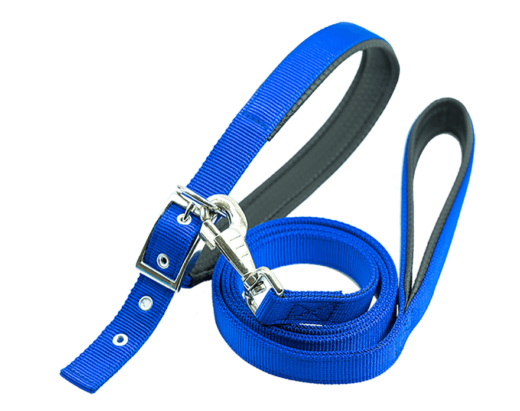

blue coiled nylon leash and collar

When to Visit a Veterinarian

While your dog is most likely to develop an allergy to their yard, their diet or fleas–sometimes the source of their allergies is more difficult to pinpoint. Getting a concrete diagnosis from your veterinarian can help you pinpoint what’s causing these itchy flare-ups. You can also get prescription allergy medication if you find out that your dog’s allergies are triggered by something that’s impossible to eliminate from their world.

Skip to header navigation
Mudbay Facebook Link Mudbay Instagram Link

About Our
Company
  • About Us
  • Frequently Asked Questions
  • Careers
Mud Bay Services
  • Local Delivery
  • Curbside Pickup
  • Muddy Support Team
Mud Bay Programs
  • Made with Mud Bay
Contact Us
  • General Inquiries
  • Media Inquiries

We’re not veterinarians. Mud Bay staff are well educated, and our writing is well-researched, but neither the advice of a Mud Bay staff member nor reading Mud Bay’s written materials can substitute for visiting a veterinarian. We offer carefully chosen, natural solutions, but we believe that veterinary conditions should be diagnosed and treated by professionals.

©2026 Mud Bay. All rights reserved. Legal & Privacy

Office Location: 500 Columbia St NW, Ste 202, Olympia, WA 98501 ph: 360.709.0074